Meta-Learning: Study Faster With a Plan-Test-Adjust Loop

Learn to Learn: A Practical Meta-Learning System for Faster, Deeper Study
Meta-learning is the skill of improving how learning happens—so new subjects take less time, stick longer, and feel less stressful. Instead of “trying harder,” you build a repeatable system: set a baseline, choose the right strategy for the goal, test what works, and adjust based on results. That same loop applies whether you’re tackling a college course, a certification exam, or a personal skill upgrade.
What Meta-Learning Means (and Why It Works Across Any Subject)
Meta-learning focuses on the process of learning: choosing methods, testing them, and refining based on outcomes rather than willpower alone. The biggest shift is separating “time spent” from “skills gained.” A long session of rereading can feel productive, but strong learning is proven through recall, feedback, and deliberate practice.
At its core, meta-learning turns progress into a loop: plan → practice → test → review → adjust. Over time, that loop makes your study sessions more efficient because you stop repeating what already works and start fixing what doesn’t. Research-backed strategies like practice testing (retrieval practice) and spacing are consistently linked to stronger long-term retention across subjects and age groups (see APA on retrieval practice and the National Academies’ overview of learning science in How People Learn).
Start With a Learning Baseline
Before optimizing anything, define your target outcome in observable terms. “Understand chapter 4” is vague; “summarize chapter 4 from memory in 8 bullet points” is measurable. Clear outcomes make it easier to choose a strategy and to know if the strategy is working.
Next, run a quick diagnostic before you study. Attempt a small set of questions or tasks—closed book—to surface gaps and misconceptions. The point isn’t to score high; it’s to find what needs attention.
For one week, track two simple numbers: minutes studied and the number of retrieval reps (flashcards answered, practice problems completed, mini-quizzes taken). Many learners discover that retrieval reps predict improvement better than total time.
| Day | Topic | Retrieval Practice (count) | Focused Study (minutes) | Notes for Next Session |
|---|---|---|---|---|
| 1 | Core concepts | 10 | 30 | Common errors noticed |
| 2 | Definitions | 15 | 25 | Weak terms to revisit |
| 3 | Practice problems | 12 | 35 | Mistakes to drill |
| 4 | Mixed review | 20 | 20 | Hard items flagged |
| 5 | Application | 10 | 40 | Need more examples |
| 6 | Mock quiz | 25 | 15 | Review wrong answers |
| 7 | Consolidation | 15 | 25 | Update plan |
Use the Right Study Strategies for the Right Goal
Different goals require different tools. For remembering, retrieval practice (self-quizzing) tends to beat rereading because it forces recall and reveals what you can’t yet produce under pressure. Keep prompts short and frequent: a few minutes of testing, repeated often, outperforms a single long review.
For understanding, explain concepts in plain language, then test your explanation using examples and non-examples. If you can’t tell what would not fit a definition, the idea is probably still fuzzy. For performance—especially timed exams—do targeted drills on weak areas, then switch to mixed practice so you can choose the right method quickly when problems change.
For long-term retention, rely on spaced repetition and interleaving instead of cramming one topic in a single block. Interleaving (mixing related topics) can feel harder in the moment, but it improves discrimination—knowing which idea or method applies when. The Learning Scientists summarize these study methods and when to use them (spacing, interleaving, retrieval practice).
Build a Learning Style Planner That Actually Helps
“Learning style” works best when treated as preferences and constraints—time of day, energy level, environment, and tools—rather than a fixed identity. The most effective methods (retrieval, spacing, feedback) work broadly, but the format should fit your real life so you can stick with it.
Choose formats that support retrieval regardless of whether your notes are visual or text-based: quick prompts, short checks, and practice tasks. Plan sessions around energy: do concept-building when you’re freshest, and save review/drills for lower-energy windows. A one-page weekly plan can be enough: goals, session slots, retrieval targets, and a checkpoint to review results.
A Repeatable Meta-Learning Loop (Plan → Practice → Test → Review → Adjust)
Turn Notes Into Performance: From Passive Pages to Active Prompts
Staying Consistent Without Burning Out
Digital Toolkit Option: PDF Guide + Study Strategies + Planner Templates
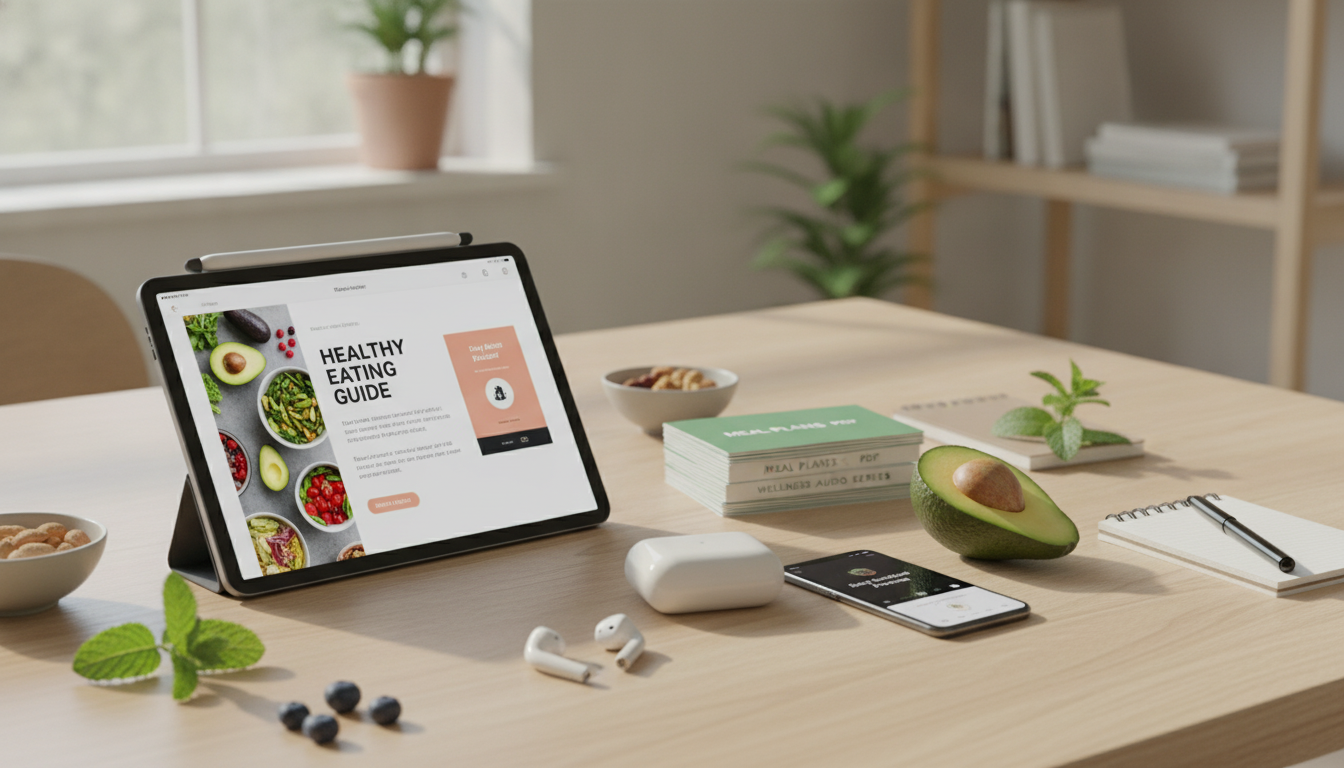
If you want to reduce setup time, a compact digital set can combine structured study methods with planning pages and reflection prompts. Learn to Learn: A Meta-Learning Guide (digital PDF + planner toolkit) is designed to function as a weekly feedback system: pick a strategy, test it, record outcomes, and adjust next week based on evidence.
For learners who study on the go, keeping a reliable phone mount/charger in your car can make audio review, quick quizzes, and calendar-based planning easier to maintain between errands or commutes. The Magnetic 15W Wireless Car Charger & Phone Mount for iPhone 16–13 can help reduce battery anxiety during short review sessions away from your desk.
FAQ
How long does it take to see results from meta-learning?
Many people notice better clarity and recall in the first week once they start doing frequent closed-book checks. Over 2–4 weeks, consistent retrieval plus review typically produces measurable gains (scores, speed, fewer repeated mistakes).
Are learning styles real, and should study plans be built around them?
Preferences and context matter (time, energy, environment), but effective methods like retrieval practice and spacing work for most learners. A planner is most useful when it helps you adapt formats and constraints without relying on a single “type.”
What’s the simplest study routine to start with?
Try a 10–25 minute loop: 5 minutes to pick a measurable goal, 10–15 minutes of focused practice, 5 minutes of closed-book quizzing, and 2 minutes to write an error log that becomes your next prompt set.











Leave a comment