Pet Travel Checklist: Road Trips, Flights & Getaways
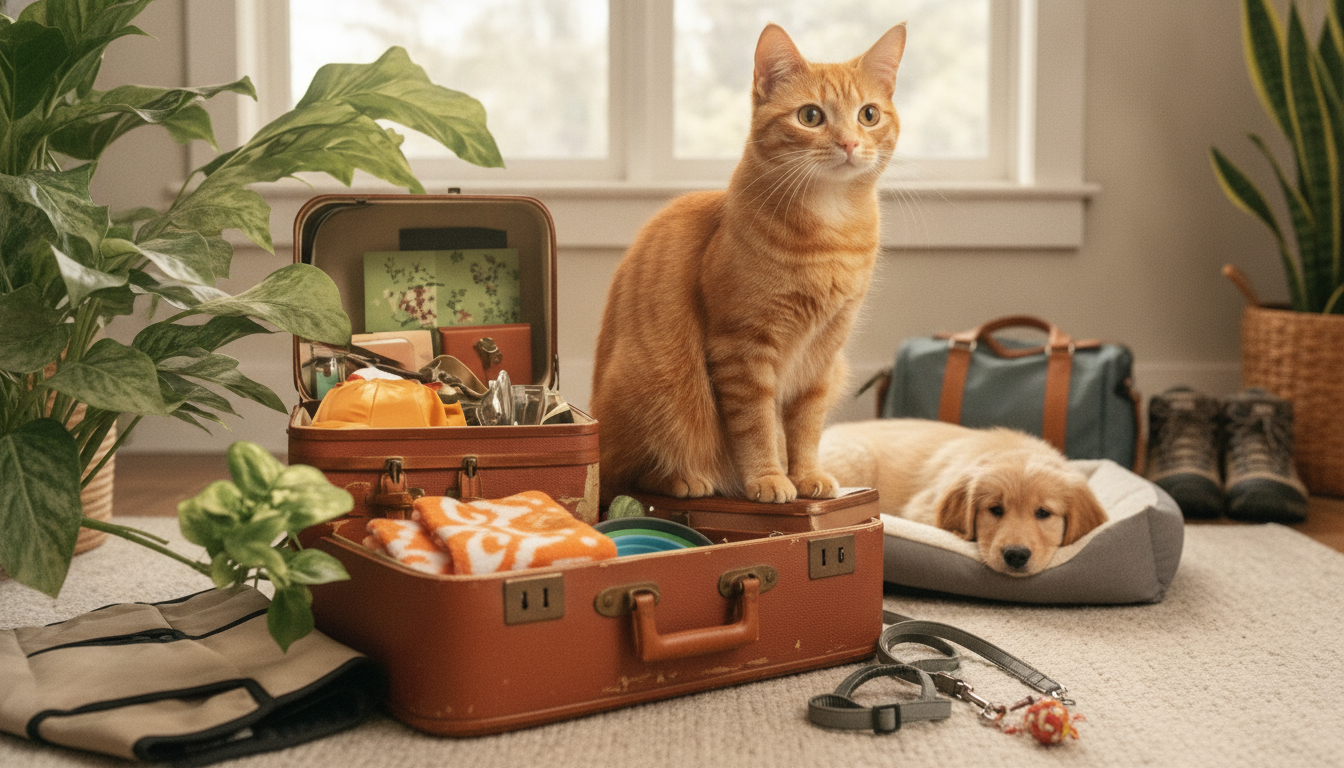
Pet Travel Essentials Checklist for Safe Trips: Road Trips, Flights, and Weekend Getaways
A calm, safe trip with pets comes down to planning: the right documents, a secure travel setup, and a packing system that covers food, health, comfort, and cleanup. Use this structured checklist to prepare dogs and cats for car rides, vacations, and longer journeys—then print the planner to pack with confidence.
Before You Go: Health, IDs, and Travel Readiness
Start preparation a few days (or weeks) ahead so you’re not scrambling on departure morning. Pets pick up on rushed energy, and last-minute gaps—like missing vaccine paperwork or an empty flea/tick supply—are easy to avoid with a simple pre-trip routine.
- Schedule a pre-trip vet check for pets with chronic conditions, seniors, or first-time travelers; confirm vaccines and parasite prevention are current.
- Update ID details: collar tag + microchip registry contact info; add a temporary travel tag with destination phone number if staying elsewhere.
- Gather documents: vaccination records, rabies certificate (often required), any prescription details, and a recent photo of the pet from multiple angles.
- Plan medications: pack enough for the full trip plus 2–3 extra days; keep in original labeled containers.
- Test-run the travel setup: short practice drives with the carrier/harness to reduce motion stress.
For U.S. travel guidance and health tips, the American Veterinary Medical Association (AVMA) is a reliable reference. If you’re crossing borders, check the latest rules through the CDC and USDA APHIS.
Quick Packing Checklist by Category
| Category | Must-pack items | Helpful extras |
|---|---|---|
| Documents & ID | Rabies/vaccine records, microchip info, recent pet photos | Emergency vet list, travel insurance info |
| Safety & Restraint | Crash-tested harness or secured carrier, leash, waste bags | Reflective leash/collar, seat cover |
| Food & Water | Food for full trip + extra, bowls, fresh water | Portable water bottle, measuring scoop |
| Health & Grooming | Meds, flea/tick prevention, basic first-aid kit | Grooming wipes, paw balm, brush |
| Comfort | Familiar blanket/bed, favorite toy | Calming wrap, white-noise app |
| Cleanup | Waste bags, paper towels | Enzyme cleaner, lint roller |
| Overnight/Stay | Crate or playpen (as needed), litter supplies for cats | Door sign: “Pet inside”, spare towel |
If you want a ready-to-print system that mirrors the categories above, Printable pet travel essentials checklist and planner makes it easy to pack once, then reuse the same flow for weekend getaways or longer routes.
Car Safety Setup: Restraints, Temperature, and Breaks
In a moving vehicle, “close enough” safety isn’t enough—especially during sudden stops. A secure restraint protects your pet and reduces driver distraction.
- Secure pets every time: use a crash-tested harness attached to a seatbelt or a well-anchored carrier; avoid loose roaming that can cause injuries.
- Place carriers on the back seat or cargo area with proper tie-downs; keep cats in carriers even for short stops to prevent escapes.
- Manage temperature: never leave pets in a parked car; keep airflow steady and block direct sun with shades when possible.
- Plan pit stops every 2–3 hours for dogs: leashed potty breaks, water, and a brief stretch away from traffic.
- Keep the front seat clear: airbags can injure small pets; the safest spot is properly restrained in the rear.
For smoother routing and fewer missed exits (especially when you’re watching for pet-friendly stops), a reliable phone mount helps keep navigation visible without juggling a device. Consider a Magnetic wireless car charger for navigation and emergency calls so your phone stays charged for directions, vet lookups, and urgent calls.
Food, Water, and Feeding Timing on the Road
Travel days can throw digestion off fast. The goal is steady routines with small adjustments that reduce nausea and stress.
- Maintain normal diet to prevent stomach upset; pack familiar food in a sealed container and bring a scoop for consistent portions.
- Feeding timing: offer a light meal 3–4 hours before departure and avoid heavy feeding right before long drives; provide small sips of water during stops.
- Hydration strategy: bring bottled or filtered water if the pet is sensitive to local water changes; clean bowls daily while traveling.
- Treats with purpose: use a few high-value treats for calm behavior during loading/unloading; avoid over-treating if motion sensitivity is an issue.
- For cats: keep feeding routine stable at lodging; travel day may be lighter, but ensure water access and litter availability on arrival.
Comfort and Stress Reduction for Dogs and Cats
Comfort is more than a soft blanket—it’s predictability. Small cues that feel “normal” can shorten the time it takes for pets to relax in a new car setup or unfamiliar room.
- Pack familiar scents: a blanket, bed cover, or worn T-shirt can help pets settle in new environments.
- Create a predictable rhythm: load calmly, drive, stop, water, repeat—consistency reduces anxiety.
- Noise and motion: consider window shades, a stable carrier position, and gentle background sound to reduce overstimulation.
- Lodging setup: designate a “home base” corner with bed, water, and toys; keep cats contained initially in one room to prevent hiding or escaping.
- Anxiety tools: calming pheromone sprays (dog/cat-specific) and chew-safe enrichment can help; avoid sedatives unless prescribed by a veterinarian.
Hygiene and Cleanup: Accidents, Shedding, and Litter
Emergency Planning: What to Prep and What to Do
Printable Travel Planner: Packing Flow That Prevents Forgetting Essentials
FAQ
How often should dogs take breaks on a road trip?
Plan to stop every 2–3 hours for a leashed potty break, water, and a short stretch. Puppies, seniors, hot weather, and medical needs may require more frequent stops.
Should cats travel in a carrier the whole time?
Yes—cats are safest in a secure, well-ventilated carrier to prevent injuries and escapes during stops. Add familiar bedding and keep loading/unloading calm and quick.
What documents should be packed for traveling with pets?
Pack rabies and vaccination records, microchip registry details, prescription information, and recent photos of your pet. Some destinations, groomers, and lodging may request proof of vaccination.











Leave a comment