360° Silicone Finger Toothbrush for Gentle Pet Dental Care
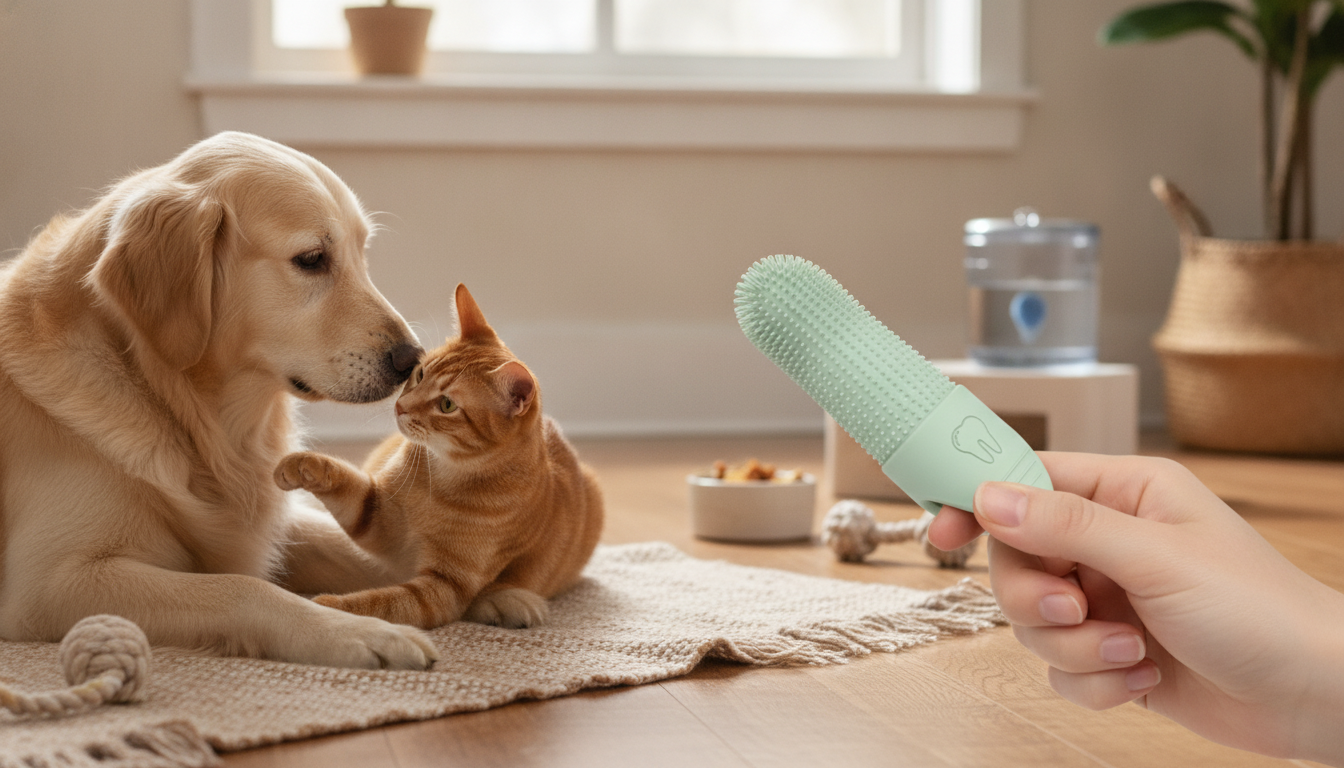
360° Silicone Finger Toothbrush for Dogs and Cats: A Gentle Way to Support Daily Dental Care
A soft silicone finger toothbrush can make pet toothbrushing feel less intimidating—especially for small mouths, seniors, and pets that resist traditional handled brushes. With 360° bristle coverage and fingertip control, it’s designed for short, low-stress sessions that still target the areas where plaque tends to collect. Below is a practical guide to how a 360° silicone finger brush works, how to use it safely, and how to build a routine that fits real life (and real pet patience).
Why daily dental care matters for dogs and cats
Dental problems don’t usually start with a dramatic symptom. They often begin as a thin layer of plaque, building quietly day after day.
- Plaque builds up quickly. Once it hardens into tartar, it becomes much harder to remove without professional care.
- Gum irritation can start subtly. Mild redness along the gumline or a change in breath can appear before more serious dental disease develops.
- Regular brushing supports healthier mouths. Brushing helps reduce plaque load, supports healthier gums, and can improve breath over time.
- Cats may hide oral discomfort. Small changes—dropping kibble, chewing on one side, or pawing at the mouth—can be early red flags.
For a veterinarian’s overview of home dental care basics, see the American Veterinary Medical Association (AVMA) guidance on pet dental care.
What a 360° silicone finger toothbrush does differently
Finger toothbrushes are all about control, comfort, and building trust—especially in pets that aren’t ready for a long-handled brush.
- 360° bristle coverage helps contact tooth surfaces from multiple angles with small circular motions.
- Finger-control improves precision for hard-to-reach areas (like back molars/carnassials) while keeping pressure gentle.
- Soft silicone can be a better starting point for sensitive gums or pets new to brushing.
- Compact design works well for small breeds, puppies/kittens, and cats with limited tolerance.
Finger brush vs. handled brush: quick comparison
| Feature | Silicone finger brush | Handled pet toothbrush |
|---|---|---|
| Control and feel | High tactile feedback; easy to reduce pressure | Good reach; less direct feedback |
| Best for | Beginners, small mouths, sensitive pets | Pets already trained for brushing |
| Cleaning approach | Short sessions; gentle circles and gumline sweeps | Longer sessions; more targeted scrubbing |
| Comfort | Often less intimidating | Can be easier once pet is trained |
Key features to look for in a silicone finger toothbrush
Not all finger toothbrushes feel the same. Comfort and fit make a noticeable difference in how willing your pet will be.
- Soft, flexible silicone bristles that won’t feel scratchy on gums.
- A snug fit on the finger so the brush doesn’t slip during use.
- A shape that reaches the gumline without poking the back of the mouth.
- Easy-to-clean material that rinses quickly and dries fully between uses.
How to use a silicone finger toothbrush (step-by-step)
Keep early sessions short and calm. The goal at first is cooperation—not perfection.
- Start without toothpaste. Let your pet sniff the brush; lightly touch the lips and briefly lift the lip line.
- Add pet-safe toothpaste only. Never use human toothpaste. Use a pea-sized amount or less (especially for small pets).
- Angle toward the gumline. Focus on the outer surfaces of teeth where plaque accumulates most.
- Use gentle circles. Aim for 10–30 seconds per side at first; stop before your pet gets frustrated.
- Prioritize the back teeth. The upper molars/carnassials often collect the most tartar.
- End with a reward. A small treat, playtime, or calm praise helps build positive expectations.
A simple positioning tip
For many pets, standing or sitting beside you (instead of lying on their back) feels less threatening. Lift the lip rather than forcing the mouth open, and work on the outside surfaces first.
A realistic brushing schedule (that pets will tolerate)
Consistency beats intensity. A brief session done often usually helps more than a long session done occasionally.
- Daily brushing is ideal, but even 3–4 sessions per week can help reduce plaque buildup.
- If your pet resists, start small. Begin with a few sessions per week and add time gradually as tolerance improves.
- Use vet-approved add-ons when needed, such as dental diets or chews accepted by the Veterinary Oral Health Council (VOHC).
Suggested routine by pet type
| Pet | Beginner goal | Ideal goal | Notes |
|---|---|---|---|
| Adult dog | 3–4x/week, 30–60 sec total | Daily, 1–2 min total | Focus outer surfaces; back teeth first |
| Puppy | 2–3x/week, 10–30 sec | Daily, 30–60 sec | Keep playful; build mouth handling tolerance |
| Adult cat | 3x/week, 10–45 sec | Daily, 45–90 sec | Lift lips gently; avoid forcing the mouth open |
| Senior pet | 3–5x/week, 10–60 sec | Daily if tolerated | Go softer; stop if gums bleed heavily or pet shows pain |
Safety and hygiene tips
When a toothbrush isn’t enough
Shop in-stock essentials
- 360° Silicone Dog Finger Toothbrush for Dogs & Cats Dental Care
- Magnetic 15W Wireless Car Charger & Phone Mount for iPhone 16–13
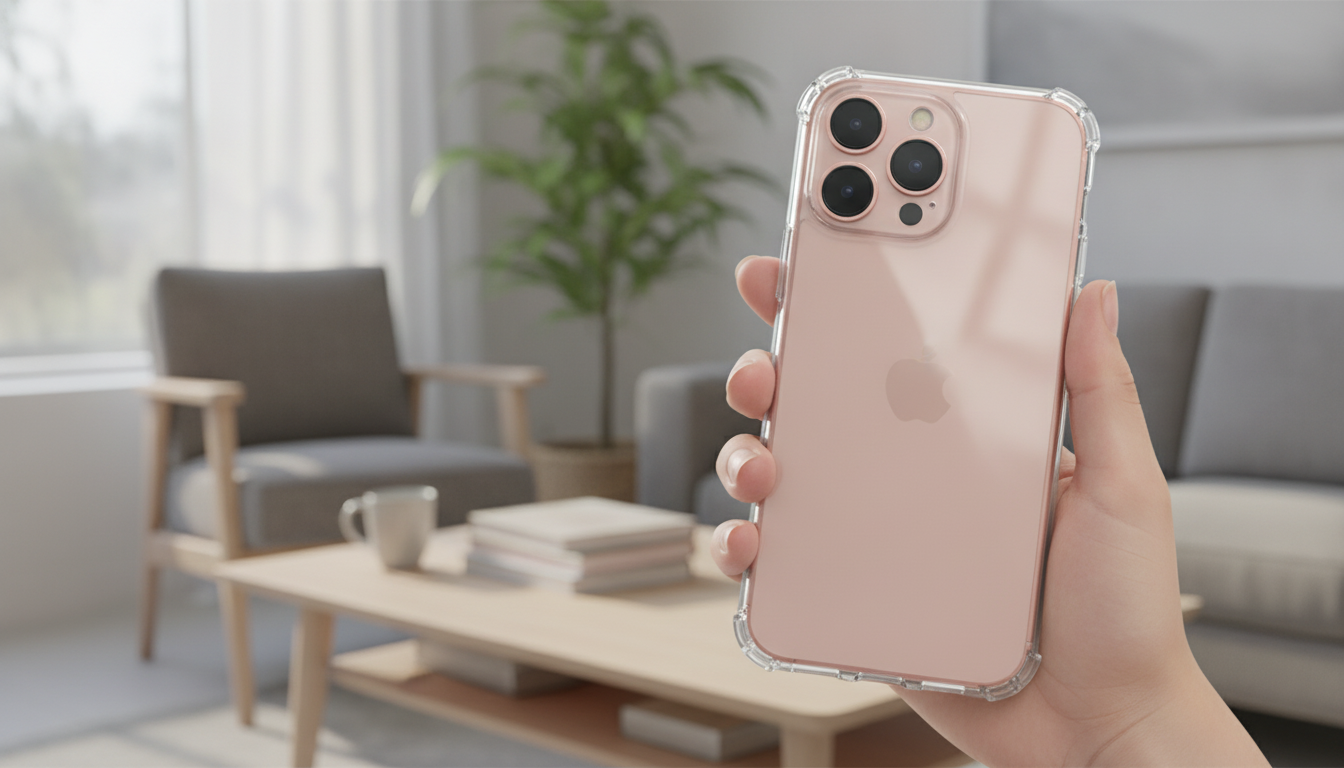
- Magnetic Clear Shockproof Case for iPhone 17 Pro & Pro Max
FAQ
Can a silicone finger toothbrush be used for both dogs and cats?
Yes. Use a gentle technique with short sessions and pet-safe toothpaste, and go slower with cats since many need gradual desensitization before they’ll accept brushing.
How often should pets’ teeth be brushed to help with bad breath?
Daily brushing is ideal, but 3–4 times per week can still help. If bad breath is persistent or suddenly worsens, a veterinary dental check is important because odor can signal dental disease.
What should be done if gums bleed during brushing?
Light bleeding can happen early if gums are inflamed; reduce pressure, shorten the session, and stay consistent. If bleeding is heavy, continues over multiple sessions, or your pet shows pain or swelling, stop and contact your veterinarian.











Leave a comment