Crystal Clear Protective Case: Clear, Grippy, Drop-Ready
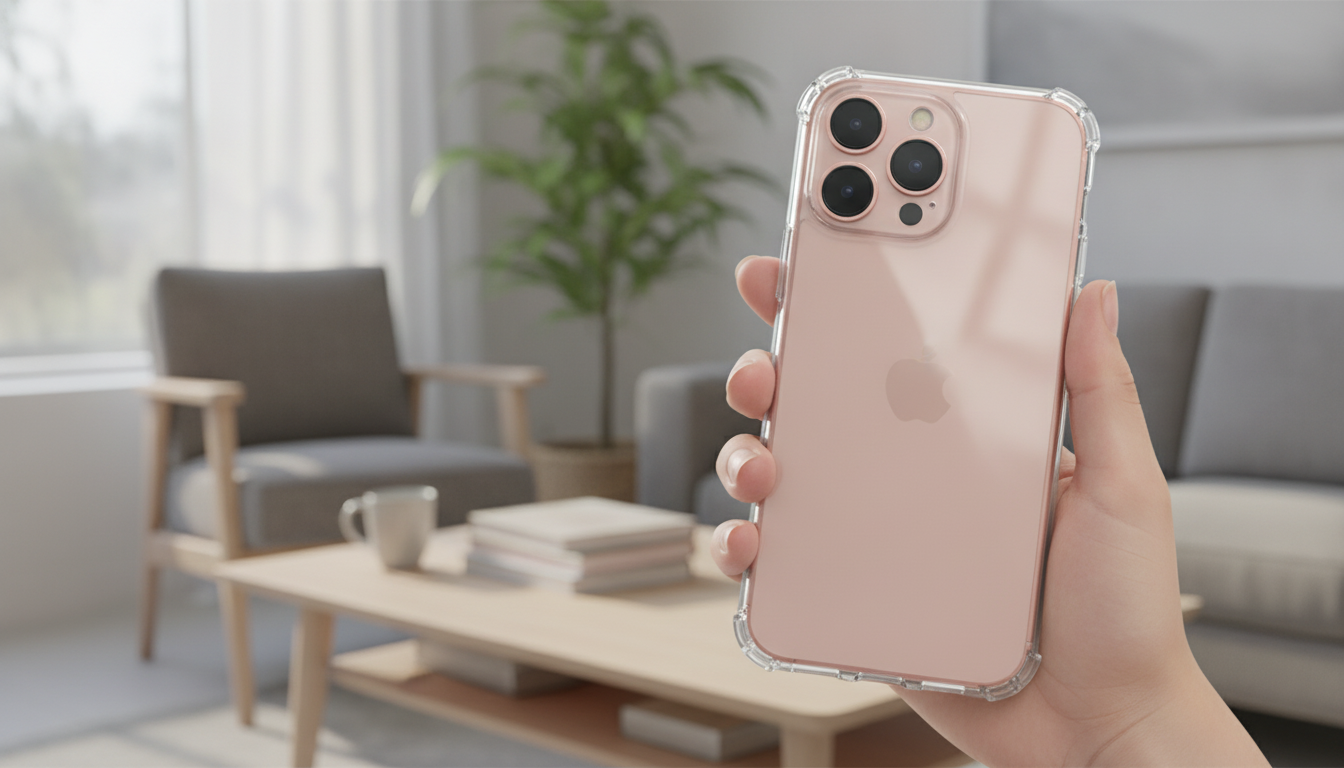
Crystal Clear Protective Case: Everyday Protection Without Hiding Your Phone
A transparent case should do two jobs at once: keep the phone looking like itself while adding everyday protection against drops, scratches, and pocket wear. Clear cases are popular because they let the original color and finish show through, but not all “clear” builds protect the same way. Below is a practical breakdown of what to look for, how clear cases tend to perform in real life, and how to keep them looking crisp over time.
What a clear protective case is designed to do
A clear protective case is built for low-visual-impact protection—something that shields the phone without changing its look. Most designs focus on a few core goals.
- Show the phone’s original color and finish while adding a protective layer.
- Reduce visible scuffs from keys, coins, and desk surfaces.
- Help with grip compared to a bare phone, especially when hands are dry or the phone is cold.
- Provide a raised lip around the screen and camera area (varies by model) to help prevent direct contact with flat surfaces.
- Add impact buffering at corners where many drops land.
If your priority is “looks like no case,” choose slimmer builds. If your phone sees frequent slips (stairs, sidewalks, gym floors), reinforced corners and thicker edges are worth the small tradeoff in pocket bulk.
Materials and build details that affect protection
Two clear cases can look similar on day one yet behave very differently after weeks of use. These construction details tend to matter most.
- TPU-style sides + harder back: Flexible edges typically improve grip and make installation easier, while a stiffer clear back can resist scratching better.
- Corner reinforcement: Slightly thicker corners can absorb impact energy where drops most often land.
- Snug fit: A tight, well-aligned case reduces dust and grit movement between the case and phone—helpful for avoiding micro-scratches.
- Button feel: Good button covers feel clicky and responsive; overly stiff covers can make volume/power controls annoying over time.
- Clean cutouts: Smooth, aligned port openings help prevent cable wear and keep the phone comfortable to hold.
Clear case performance in daily life
In everyday use, clear cases usually handle “normal life” drops better than constant abrasion. A drop from hand height onto hard flooring is where edge thickness and corner design matter, while a gritty bag or sandy pocket is where scratch resistance and a tight fit matter.
- Drop vs. scuff reality: Many clear cases can cushion common bumps and short drops, but abrasive rubbing can still haze the back over time. Pairing with a screen protector rounds out your protection setup.
- Fingerprints are normal: Transparent finishes often show smudges more easily; a quick microfiber wipe typically restores clarity fast.
- Dust happens: Pocket lint and fine dust are expected—periodic removal and cleaning keeps the phone and case looking newer.
- Edges collect grime: Gym and outdoor use can leave buildup along seams; routine cleaning prevents that “gray line” look around the perimeter.
For general everyday coverage with a clean, minimal look, consider the Crystal Clear Protective Case. If you use magnetic accessories, the Magnetic Clear Shockproof Case for iPhone 17 Pro & Pro Max adds alignment support while staying transparent.
Fit and compatibility checks before buying
For driving and navigation setups, pairing a clear case with a reliable mount can reduce drops when getting in and out of the car. The Magnetic 15W Wireless Car Charger & Phone Mount for iPhone 16–13 is a practical add-on when magnetic alignment is part of your routine.
Quick comparison: clear case styles
| Style | Best for | Typical strengths | Possible tradeoffs |
|---|---|---|---|
| Ultra-slim clear | Minimal bulk | Lightweight feel, keeps phone profile sleek | Less corner cushioning |
| Clear protective (everyday) | General use | Balanced grip, scratch resistance, moderate impact buffering | Can show fingerprints |
| Clear shock-absorbing | Frequent drops | Reinforced corners, thicker edges | More bulk in pockets |
| Magnetic clear | Magnetic charging/mount ecosystems | Better alignment with magnetic accessories | May add ring imprint visibility |
Keeping a clear case looking clear
- Weekly cleaning: Wash with mild soap and lukewarm water, rinse thoroughly, and air dry completely before reinstalling.
- Avoid harsh chemicals: Solvents, abrasive pads, and high heat can haze plastic or deform flexible edges. For general device cleaning guidance, follow Apple’s cleaning recommendations.
- Remove trapped grit: Take the case off occasionally to wipe away dust that can cause fine abrasion on the phone’s back.
- Limit long sun exposure: When not in use, keep the case out of direct sunlight for extended periods to help slow discoloration.
When to replace a clear case
Popular add-ons that pair well with a clear case
- Tempered glass screen protector: Helps reduce screen scratches and can improve survivability in face-down drops.
- Camera lens protector: Useful if the camera bump frequently contacts tables, backpacks, or gym bags.
- Wireless charger or car mount: If you depend on wireless charging, look for Qi-compatible accessories and consistent alignment (see the Wireless Power Consortium’s Qi standard for background).
- Microfiber cloth: The fastest way to keep clarity high day to day.
FAQ
Do clear cases turn yellow over time?
Some plastics can discolor due to UV exposure, heat, skin oils, and dyes from pockets or bags. Regular cleaning and avoiding prolonged heat or direct sunlight can slow the change, but some yellowing may still happen eventually.
Will a clear protective case work with wireless charging?
Many clear cases work with wireless charging, but thickness and material choices can affect consistency. If charging feels intermittent, testing your case with your specific charger (and considering magnetic alignment on compatible phones) can help.
How should a clear case be cleaned without damaging it?
Use mild soap, lukewarm water, and a soft cloth, then rinse well and air dry before putting it back on. Avoid alcohol, solvents, abrasive scrubbers, and hot water, which can haze or warp plastics.








Leave a comment