Anti-Pinch Drawer & Cabinet Locks for Childproof Homes
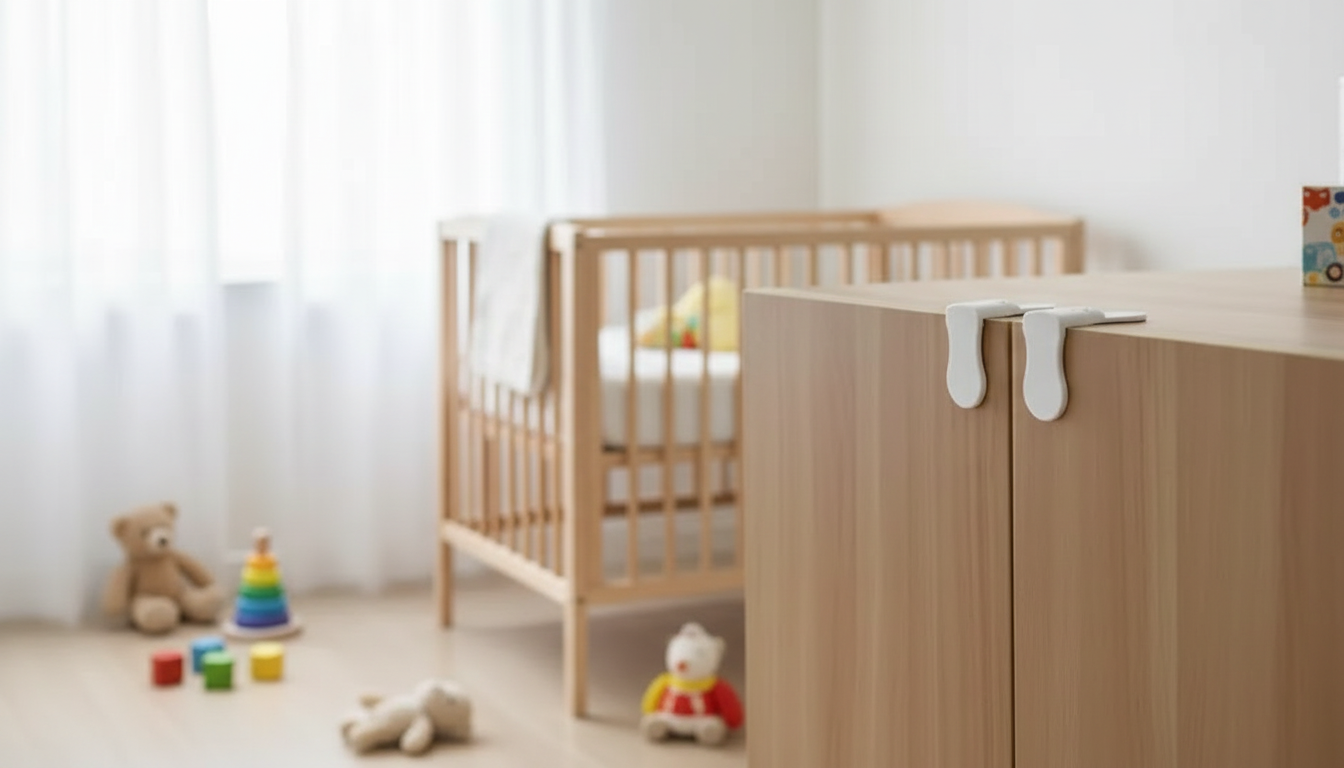
Child Safety Drawer & Cabinet Locks for Everyday Anti-Pinch Protection
Curious hands can turn everyday drawers and cabinets into pinch points and access hazards. A simple lock set helps reduce slam injuries, keeps small items out of reach, and adds a layer of control to high-traffic rooms like kitchens, bathrooms, and bedrooms—without changing how the home looks or functions. Whether you’re in full “toddler proofing” mode or just tightening up safety around low storage, drawer and cabinet locks can make daily routines feel calmer and more predictable.
For broader childproofing guidance and injury prevention basics, reputable references include the American Academy of Pediatrics, the CDC, and the U.S. Consumer Product Safety Commission.
What These Locks Help Prevent
- Pinched fingers when drawers or cabinet doors close quickly
- Access to cleaning products, medications, sharp tools, and small choking hazards stored in low cabinets
- Mess-and-spill scenarios that create slip risks (detergents, pantry items, grooming products)
- Repeated “curiosity openings” that lead to wear on hinges, drawer slides, and handles
- Unsupervised access during busy moments like cooking, deliveries, or bedtime routines
Where They Work Best Around the Home
- Kitchen base cabinets: under-sink storage, trash pull-outs, corner cabinets
- Bathroom vanities: cleaners, razors, skincare actives, hair tools
- Bedroom dressers and nightstands: cosmetics, batteries, coins, small accessories
- Laundry area cabinets: pods, bleach, stain removers, dryer sheets
- Office or hobby storage: scissors, craft blades, adhesives, small parts
Choosing the Right Lock Style for Your Furniture
- Drawer vs. cabinet door fit: check whether the closure is a pull-out drawer, hinged door, or double-door cabinet
- Clearance and alignment: measure interior lip depth, face frame style, and how far the door/drawer overlaps the frame
- Opening routine: pick a style that can be released quickly by adults but remains consistent for caregivers and guests
- Surface considerations: glossy laminate, textured wood, metal, and painted surfaces can affect adhesion or mounting approach
- Child age and strength: older toddlers may test or pry; choose a sturdier mechanism for high-stress locations (under-sink, pantry)
Quick Match Guide: Furniture Type vs. Common Lock Needs
| Area | Typical Risk | What to Look For | Extra Tip |
|---|---|---|---|
| Under-sink cabinet | Cleaners and sharp items | Secure hold and reliable re-latching | Add a bin to keep chemicals grouped and harder to reach |
| Bathroom vanity drawer | Razors, medications | Low-profile fit that doesn’t block drawer glide | Keep daily-use items higher to reduce constant unlocking |
| Kitchen pantry cabinet | Glass jars, choking hazards | Consistent adult release method | Use higher shelves for small items even with locks |
| Dresser drawers | Pinch points and small objects | Smooth open/close with controlled stop | Avoid overloading drawers so they don’t slam |
Setup and Daily Use Tips for Reliable Protection
- Clean and dry the mounting surface thoroughly before installation; remove oils and residue to improve hold
- Test placement before final mounting to confirm the lock doesn’t scrape, bind, or prevent full closure
- Install on the highest-risk cabinets first (cleaners, medications, blades) to get immediate safety value
- Practice the open-close routine several times so adults can operate it smoothly without rushing
- Re-check the lock after heavy use, seasonal humidity changes, or furniture shifts; tighten or re-seat if needed
- Maintain a consistent household rule: locked cabinets stay locked, even when items are removed temporarily
A practical approach is to start with one room (often the kitchen), lock the most hazardous storage, then expand to the bathroom and laundry area. This creates immediate risk reduction while keeping installation manageable.
Anti-Pinch Benefits Beyond Locking
- Reduces the chance of sudden slam closures that catch fingers
- Encourages slower, more controlled drawer movement for kids learning to help
- Helps caregivers manage “one-hand moments” (holding a child, carrying laundry) by preventing quick access
- Supports safer exploration while still allowing supervised learning and boundaries
Locks don’t replace supervision, but they do add friction to risky behaviors—turning a fast grab into a pause long enough for an adult to intervene.
Common Questions Before Buying
Product Spotlight: Child Safety Drawer & Cabinet Locks – Anti-Pinch Home Protection Set
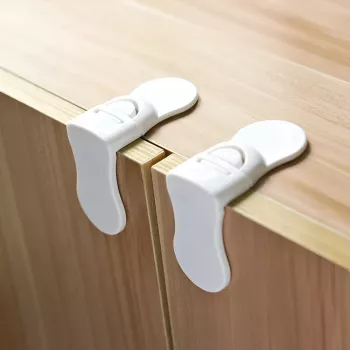
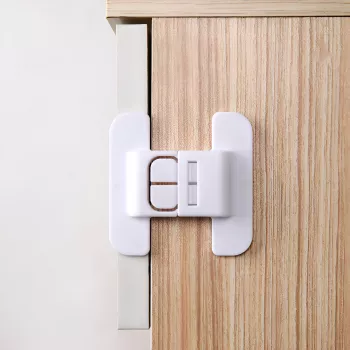
If you want quick coverage across multiple rooms, the Child Safety Drawer & Cabinet Locks – Anti-Pinch Home Protection Set is a straightforward way to limit access to drawers and cabinets while helping reduce pinch-point risk during everyday use. It’s especially useful in homes where low storage is unavoidable—under-sink cabinets, bathroom vanities, and bedroom dressers where small items tend to collect.
At-a-Glance Details
| Item | Price | Availability |
|---|---|---|
| Child Safety Drawer & Cabinet Locks – Anti-Pinch Home Protection Set | $3.51 USD | In stock |
Helpful Add-Ons for Busy Family Spaces
- Detangling Loop Hair Brush for Wet, Dry & Natural Hair for faster bathroom or post-bath routines that reduce countertop clutter and last-minute drawer digging.
- Magnetic 15W Wireless Car Charger & Phone Mount for iPhone 16–13 to keep navigation and calls hands-free and your phone consistently stowed while juggling errands.
FAQ
Do drawer and cabinet locks prevent pinched fingers completely?
No—locks help reduce risk by limiting sudden opening/closing and restricting access, but supervision and safe habits (like slow closing and not playing with doors) still matter.
Where should locks be installed first?
Start with the highest-risk, easiest-to-reach storage: under-sink cabinets, medicine and grooming drawers, kitchen cleaning areas, and any low cabinet that holds glass, sharp tools, or choking hazards.
How can locks be kept effective over time?
Periodically check alignment and contact points, clean surfaces if adhesion is involved, and re-secure any lock that loosens with heavy use or humidity changes. Reassess placement as children grow taller and stronger.








Leave a comment