Smart Portable Tire Inflator: Auto Stop + LED for Car & Bike
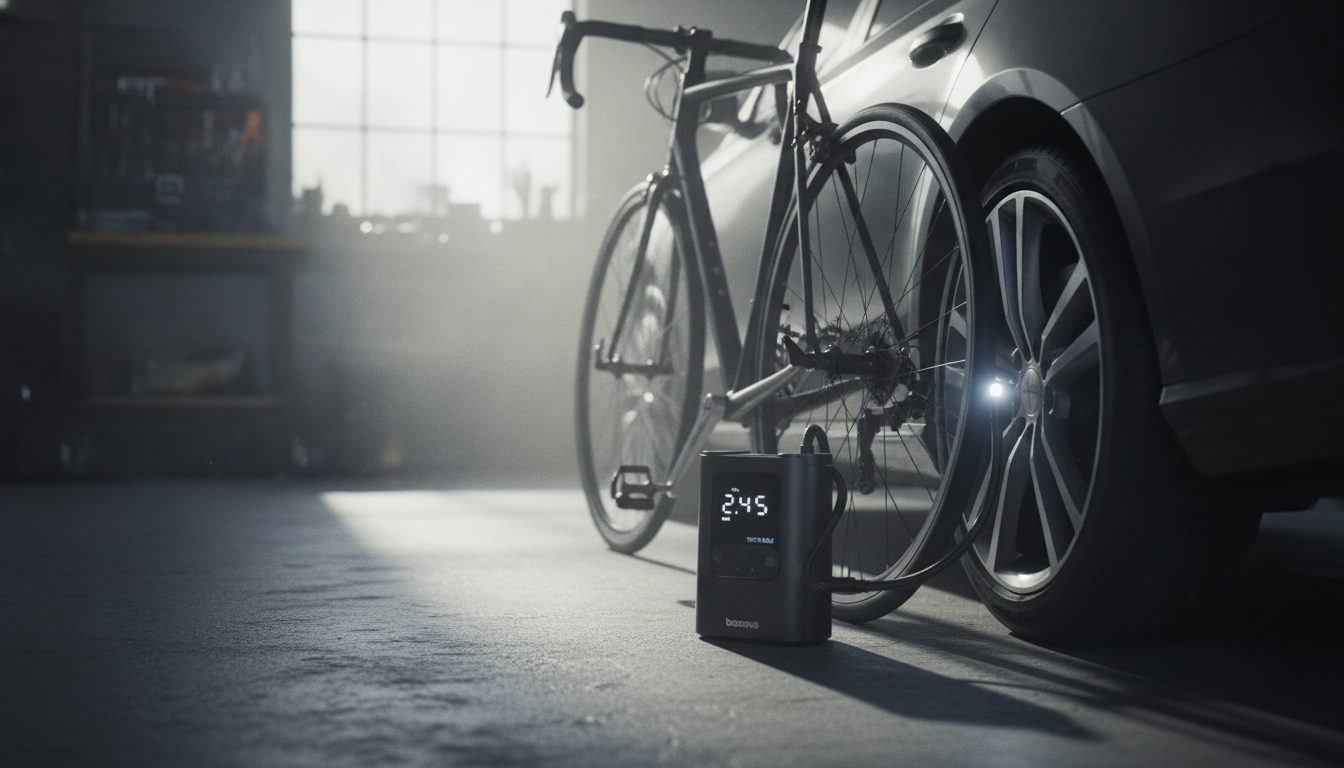
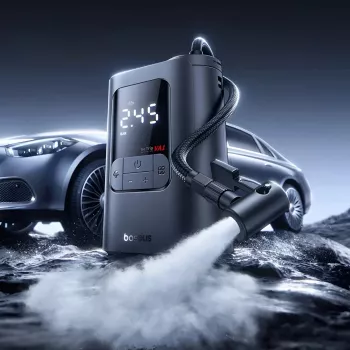
Portable Smart Car & Bike Tire Inflator with Auto Stop & LED Light
A compact tire inflator that can handle quick top-offs for car and bike tires helps prevent uneven wear, improves handling, and reduces the chance of getting stranded. This portable smart inflator combines preset pressure control with auto stop and an LED light, making it easier to inflate accurately in the garage, on the roadside, or on nighttime rides.
What makes a “smart” portable inflator useful
Traditional inflators can feel like a cycle of inflate, check, inflate again. A smart portable inflator streamlines the process so routine pressure checks actually happen.
- Preset-and-go operation: set a target pressure and let the inflator do the rest instead of guessing and rechecking repeatedly.
- Auto stop reduces overinflation risk: helps hit the same PSI each time for consistent tire feel and handling.
- Compact form factor: fits in a trunk, glove area, backpack, or pannier—ideal for commuting, road trips, and weekend rides.
- LED light adds visibility: helps with valve alignment in low light and can support roadside safety when you need to see what you’re doing.
Key features to look for during everyday use
Not all portable compressors feel the same in real-world use. A few practical details make the difference between “works sometimes” and “works whenever you need it.”
- Auto stop accuracy: set a realistic target and let the unit stop automatically, then verify with a separate gauge if precision is critical.
- LED lighting modes: a focused beam helps with valve work; a wider spill is better for seeing the ground and tools.
- Pressure range and unit display: switching PSI/bar/kPa helps when different tires list recommendations in different units.
- Heat management: small compressors can warm up during longer sessions; allow brief cool-downs when inflating multiple tires.
- Hose and chuck fit: secure engagement on Schrader valves (common on cars) and compatibility options for bikes depending on valve type.
For tire safety basics and why correct pressure matters, see guidance from NHTSA — Tire Safety and practical maintenance tips from Bridgestone — Tire Pressure Guide.
Quick setup: safer, faster inflation in a few steps
A consistent routine reduces mistakes and helps you get repeatable pressure readings.
- Find the recommended tire pressure: for cars, use the vehicle door jamb placard (not the tire sidewall maximum). For bikes, use the tire/owner guidance and your tire’s printed range.
- Inspect before inflating: look for visible damage, embedded objects, or sidewall bulges. Do not inflate a compromised tire—address the cause first.
- Attach firmly: remove the valve cap, seat the chuck straight, and lock it in place to reduce leaks while inflating.
- Set the target pressure and start: use the display controls to choose the desired value, then begin inflation.
- Let auto stop finish the job: allow the unit to stop on its own, then remove the chuck and replace the valve cap.
- Recheck when tires are cold: for cars, measure before driving or after the vehicle has been parked for a few hours for the most consistent reading.
If you’re topping off multiple tires (car plus a spare, or several bikes), pace the session. Short breaks help small compressors manage heat and can extend the tool’s life.
Recommended pressure targets (at-a-glance guide)
Pressure is not one-size-fits-all. Use the manufacturer’s spec first, then make small adjustments only when you understand the tradeoffs.
- Car tires: vary widely by vehicle and load; always prioritize the manufacturer placard for the correct cold pressure.
- Bike tires: depend on tire width, rider weight, terrain, and comfort preference; start with the tire’s printed range and adjust carefully.
- Small inflators: are ideal for topping off and routine maintenance; very large-volume tires may take longer.
| Use case | Typical pressure range | Notes |
|---|---|---|
| Passenger car (cold tires) | 30–40 PSI (varies) | Use the door jamb placard; higher is not always better. |
| Road bike | 70–110 PSI (varies by width) | Narrow tires usually require more pressure; avoid exceeding the sidewall limit. |
| Hybrid/commuter bike | 40–70 PSI | Often a balance of efficiency and comfort. |
| Mountain bike | 18–35 PSI | Lower pressures improve traction; tubeless setups may run lower. |
When an inflator with LED light is especially handy
The built-in light is more than a convenience when you’re dealing with valve stems, reflective sidewalls, and low visibility.
Product details and pairing ideas
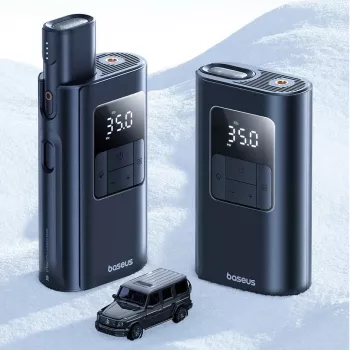
If you want a simple, repeatable way to keep tires at the right pressure through temperature swings and everyday riding/driving, the Portable Smart Car & Bike Tire Inflator with Auto Stop & LED Light is a practical choice for routine maintenance, pre-trip checks, and quick corrections after pressure warnings or slow leaks.
For road trips, a helpful pairing is the Magnetic 15W Wireless Car Charger & Phone Mount for iPhone 16–13—keeping navigation easy to see while the inflator stays ready in the trunk for unexpected pressure drops. Together, they reduce the friction of handling small problems quickly, especially when you’re away from home.
FAQ
Can this inflator be used for both car and bike tires?
Yes—cars typically use Schrader valves, while bikes may use Schrader or Presta. For bike compatibility, make sure you have the correct nozzle/adapter for your valve type and that the connection seals snugly before starting.
How accurate is auto stop, and should the pressure be double-checked?
Auto stop is a convenience feature that helps prevent overshooting and supports consistent top-offs. For maximum accuracy—especially for performance riding or handling-sensitive setups—verify the final pressure with a dedicated gauge.
Is it safe to inflate a tire that looks damaged or is losing air quickly?
No—avoid inflating tires with sidewall bulges, deep cuts, or rapid air loss. Inspect for punctures or embedded objects and seek proper repair or replacement before reinflation to prevent blowouts or further damage.






Leave a comment