Afro Styling Comb: Root Lift for Curls & Real-Hair Wigs
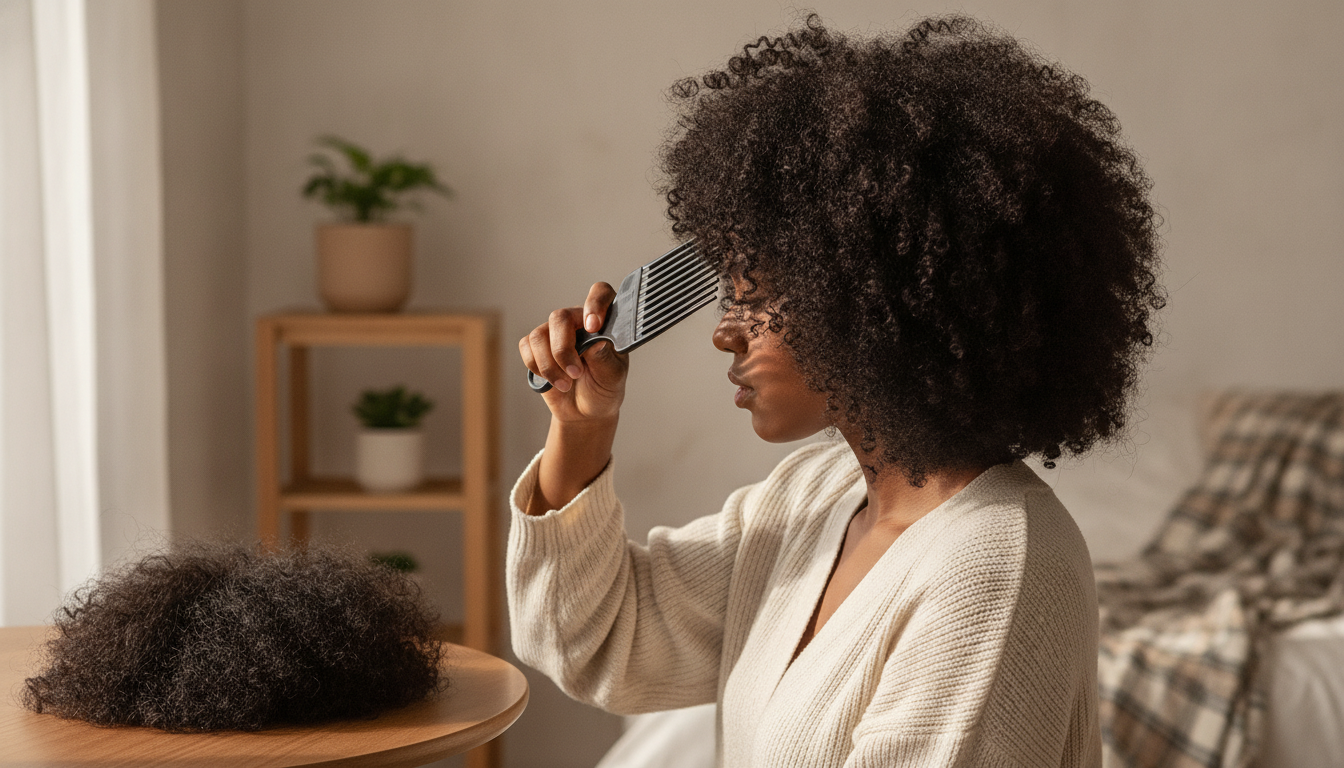
An afro styling comb is a simple tool that can make a noticeable difference in lift, shape, and definition for curls, coils, and textured wigs. With the right technique, it helps create volume at the roots, refine an afro silhouette, and fluff curls without pulling them out of pattern—while also being gentle enough for real-hair wigs when used correctly.
What an Afro Styling Comb Does Best
- Adds root lift to create a fuller silhouette without heavy teasing.
- Helps shape afros, tapered looks, and rounded outlines with controlled pick-and-place motions.
- Separates curls and coils for a soft, airy finish while keeping definition intact when used at the roots.
- Supports wig styling by lifting the base and preventing a flat look at the crown.
When to Use It on Natural Curly Hair
- On dry, fully set styles to preserve curl clumps and reduce snagging.
- After stretching methods (banding, twist-out, braid-out, or gentle blow-dry) to shape without re-shrinking as much.
- At the roots first: insert the comb near the scalp and lift upward lightly; avoid raking from ends to roots.
- To refresh day-2/day-3 volume: target the crown and sides, then smooth the outer layer with hands.
Best moments to reach for an afro styling comb
| Hair state | Goal | How to use | What to avoid |
|---|---|---|---|
| Dry twist-out/braid-out | Add volume without losing definition | Lift at roots in small sections | Dragging through ends |
| Stretched afro | Create a rounded shape | Pick outward, then pat into form | Over-picking one spot repeatedly |
| Wash-and-go (fully dry) | Loosen roots for a fuller look | Short, gentle lifts at the scalp | Picking while damp |
| Wig installed | Reduce flat crown, blend top | Lift under the top layer, then smooth | Catching the cap or knots |
Using an Afro Styling Comb on Real Hair Wigs
- Work in sections: lift under the top layer first so the surface stays smooth and natural-looking.
- Be mindful of construction: avoid scraping along lace fronts, exposed wefts, or dense knot areas.
- Hold the wig steady (on a stand if possible) to reduce tension on the base and prevent shedding.
- For curly human-hair wigs, pick at the roots to increase volume, then lightly shake out for a natural fall.
One practical approach is “support, lift, smooth.” Support the base with your free hand, lift only where you want height (usually crown and upper sides), then smooth the outer layer with your palms so the finish looks intentional rather than over-fluffed.
How to Get Volume Without Frizz
- Start with clean technique: pick at the roots and let the comb do the lifting—hands finish the shaping.
- Use minimal product build-up: heavy oils/butters can make hair stick together and cause snagging during lifting.
- Avoid repeated passes: a few gentle lifts per section is usually enough.
- If frizz appears, smooth the outer layer with palms, a light hold product, or a silk/satin scarf for a few minutes.
For tighter coils, focus on lifting underneath rather than picking “through” the top layer. You’ll get the same visual fullness, but the surface stays more defined. If you notice snagging, pause and detangle that spot first—forcing the pick through can contribute to breakage over time. For general hair damage prevention basics, the Cleveland Clinic overview is a helpful reference: Hair breakage and damage basics.
Care, Cleaning, and Storage
- Remove shed hairs after each use to prevent snagging and reduce product transfer.
- Wash occasionally with warm water and mild soap; rinse and dry fully before storing.
- Store teeth-up in a cup or drawer organizer so the tines don’t bend.
- If using on wigs and natural hair, clean between uses to keep oils and styling residue from transferring.
Keeping tools clean matters for both scalp comfort and style results. The American Academy of Dermatology has practical, everyday guidance on healthy hair routines here: Hair care tips.
Afro Styling Comb vs. Detangling Tools
- An afro styling comb is primarily for lift and shaping, not heavy detangling.
- For knots and shedding-prone areas, detangle first with a dedicated detangling brush or wide-tooth comb, then use the afro comb to finish.
- On wigs, detangle ends first with a gentler tool, then use the afro comb near roots only for volume.
A simple rule: detangle from ends to roots with a detangling tool; shape and volumize at the roots with an afro styling comb. This keeps the curl pattern happier and reduces unnecessary pulling where hair is most fragile.
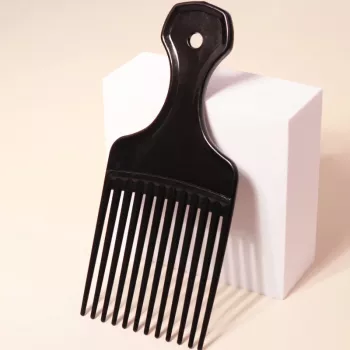
Product Spotlight: Afro Styling Comb for Natural Curly Hair & Real Hair Wigs
- Designed for lifting and shaping textured hair patterns and curly wigs.
- A helpful add-on for wash day finishing, twist-out fluffing, and wig volume at the crown.
- Budget-friendly option for building a basic styling kit.
- Pairs well with a detangling brush for prep, then root-lift finishing.
Quick details
| Item | Price | Availability |
|---|---|---|
| Afro Styling Comb for Natural Curly Hair & Real Hair Wigs | $4.32 | In stock |
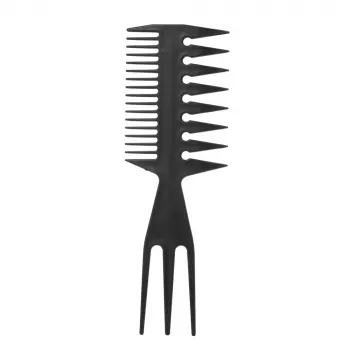
| Detangling Loop Hair Brush for Wet, Dry & Natural Hair | $2.01 | In stock |
FAQ
Can an afro styling comb be used on wet hair?
Usually it works best on dry hair for shaping and volume. If it’s used on damp hair, keep it to very gentle root lifting only, since wet strands are more prone to stretching and snagging.
Will an afro styling comb cause frizz on curls and coils?
It can if it’s pulled through the lengths. Limit lifting to the roots, work in small sections, and smooth the outer layer with hands (or a light hold product) after you fluff.
Is it safe to use an afro styling comb on lace front or human-hair wigs?
Yes, with care: stabilize the wig, avoid scraping lace and knots, and lift under the top layer to keep the surface smooth. Detangle ends first with a gentler tool, then use the afro comb near the roots for volume.










Leave a comment