V-Comb Styling Brush: Sleek Straight Hair in Minutes
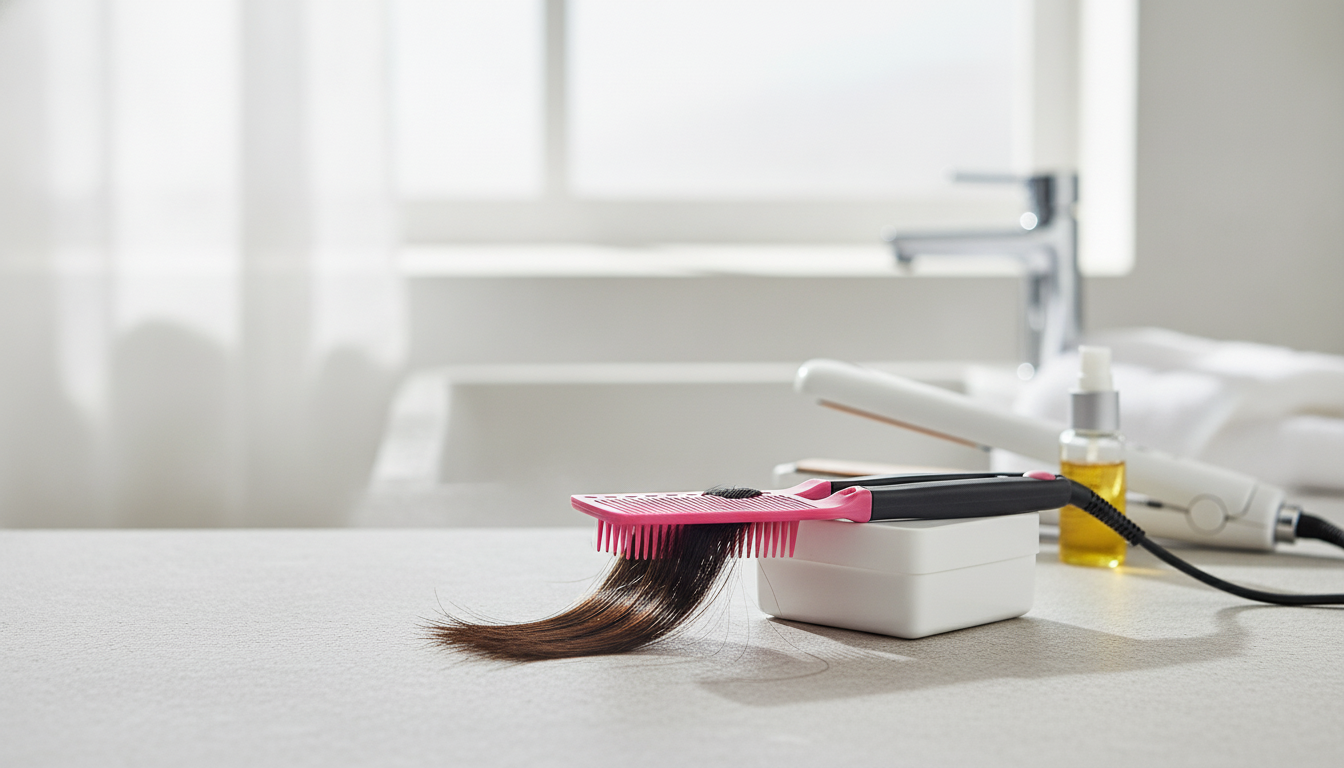
Straight Hair V-Comb Styling Brush for Smooth, Sleek Results
A V-comb styling brush is designed to guide hair into a neater, more uniform shape as you brush, helping reduce flyaways and improve smoothness for everyday styles. The “V” channel acts like a gentle track for your strands, making it easier to refine the surface layer of your hair (especially around the part, hairline, and crown) without needing a full restyle. Below is a practical guide to what makes a V-comb different, how to use it for a sleek finish, and how it stacks up against other brush types.
What a V-Comb Styling Brush Does Differently
- Guides hair toward the center: The V-shaped channel helps gather strands inward as you pass through hair, supporting a more controlled, polished finish.
- Aligns direction for quick touch-ups: Helpful for smoothing lengths, ends, and face-framing sections when your style needs a fast refresh.
- Polishes the “top coat”: After detangling, a V-comb can refine the outer layer so hair looks less fuzzy and more uniform.
Think of it as a finishing tool: it’s not trying to do everything at once. It’s meant to improve how hair lies on the surface, which is where frizz and flyaways show most.
Key Benefits for Smooth, Sleek Hair
- Smoother appearance: Encourages strands to lay in the same direction, helping reduce visible frizz and flyaways.
- Faster daily styling: Great for quick grooming before work, school, or heading out.
- Gentle control: Supports neat shaping without relying on high heat for every touch-up.
- Versatile finish: Useful for straight styles, ponytails, buns, and smoothing before braiding.
For hair health basics—like reducing damage from rough handling—dermatology-backed guidance can be helpful. The American Academy of Dermatology Association hair care tips and the Cleveland Clinic guide to preventing hair breakage both emphasize gentle handling and minimizing stress on strands.
Who It Works Best For
- Straight to wavy hair: Especially when you want a cleaner, more uniform surface and fewer flyaways.
- Medium to long hair: Guiding strands into a centered path often improves neatness and reduces “halo frizz.”
- Low-effort styles: Ponytails, sleek half-up looks, and simple blowout refreshes benefit from quick surface smoothing.
- Post-detangling polish: A smart next step after detangling or after applying a light leave-in conditioner.
If your hair tangles easily, plan on detangling first and using the V-comb as the final refining step.
V-Comb vs Other Brushes (Quick Comparison)
Choosing a brush is easiest when you match the tool to the goal: detangling, smoothing, styling control, or volume. For best results, detangle first (especially if hair is prone to knots), then use the V-comb for polishing and direction.
| Brush type | Best for | Where it shines | Watch-outs |
|---|---|---|---|
| V-comb styling brush | Smoothing and guiding hair into a sleek finish | Quick touch-ups, ponytail/bun smoothing, top-layer polish | Not a substitute for deep detangling on very knot-prone hair |
| Detangling brush | Removing knots with less snagging | Wet hair, wash day, curls/coils and tangly lengths | May not give as sleek a surface finish without a separate smoothing step |
| Paddle brush | Everyday brushing and basic smoothing | Long hair, blow-dry support, general grooming | Less targeted control around hairline and parting |
| Round brush | Volume and bend during blow-drying | Bangs, ends, lifted roots | Takes more technique; can tangle if rotated too aggressively |
How to Use for a Sleek Finish (Without Overworking Hair)
- Start on dry or lightly damp hair: If hair is wet, detangle first and be extra gentle since strands are more fragile.
- Section for control: Smooth the top layer first, then move to mid-lengths and ends so you don’t repeatedly brush the same area.
- Use light tension: Let the brush guide hair rather than pressing hard—especially near the hairline and crown.
- For ponytails and buns: Brush hair back in the direction of the style, secure it, then do a final pass over the surface layer to refine flyaways.
- Pair with lightweight product if needed: A small amount of serum or leave-in can help; avoid heavy buildup that can make hair look dull.
If knots are your main issue, start with a dedicated detangler and switch to the V-comb once hair is mostly smooth. A low-fuss pairing is the Detangling Loop Hair Brush for Wet, Dry & Natural Hair followed by a finishing pass with a V-comb.
Care and Cleaning
Common Issues and Simple Fixes
Product Snapshot
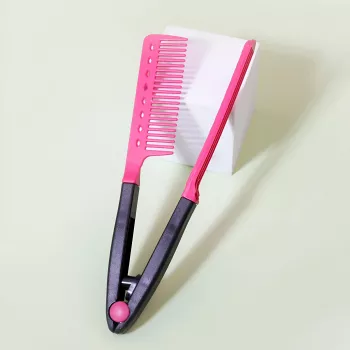
- Name: Straight Hair V-Comb Styling Brush for Smooth, Sleek Results
- Availability: In stock
- Price: $3.01 (USD)
- Why it’s handy: A budget-friendly option for daily smoothing, quick style refining, and polishing the top layer before you head out.
FAQ
Can a V-comb styling brush help with frizz and flyaways?
Yes—by aligning strands and polishing the surface layer, a V-comb can reduce the look of frizz and help flyaways lie flatter. Results vary based on hair type and humidity, and a lightweight smoothing product can improve the finish.
Is it safe to use a styling brush on wet hair?
It can be, but wet hair is more fragile, so use gentle strokes and avoid high tension. Detangle carefully first, then do minimal passes to prevent snagging and breakage.
What’s the difference between a V-comb brush and a detangling brush?
A detangling brush is designed to remove knots with less pulling, while a V-comb focuses on guiding hair into a sleeker, more controlled direction once hair is mostly tangle-free. Many routines use a detangler first and a V-comb second for a polished finish.






Leave a comment