Anti-Static Wide-Tooth Comb: Detangle Natural Hair & Wigs
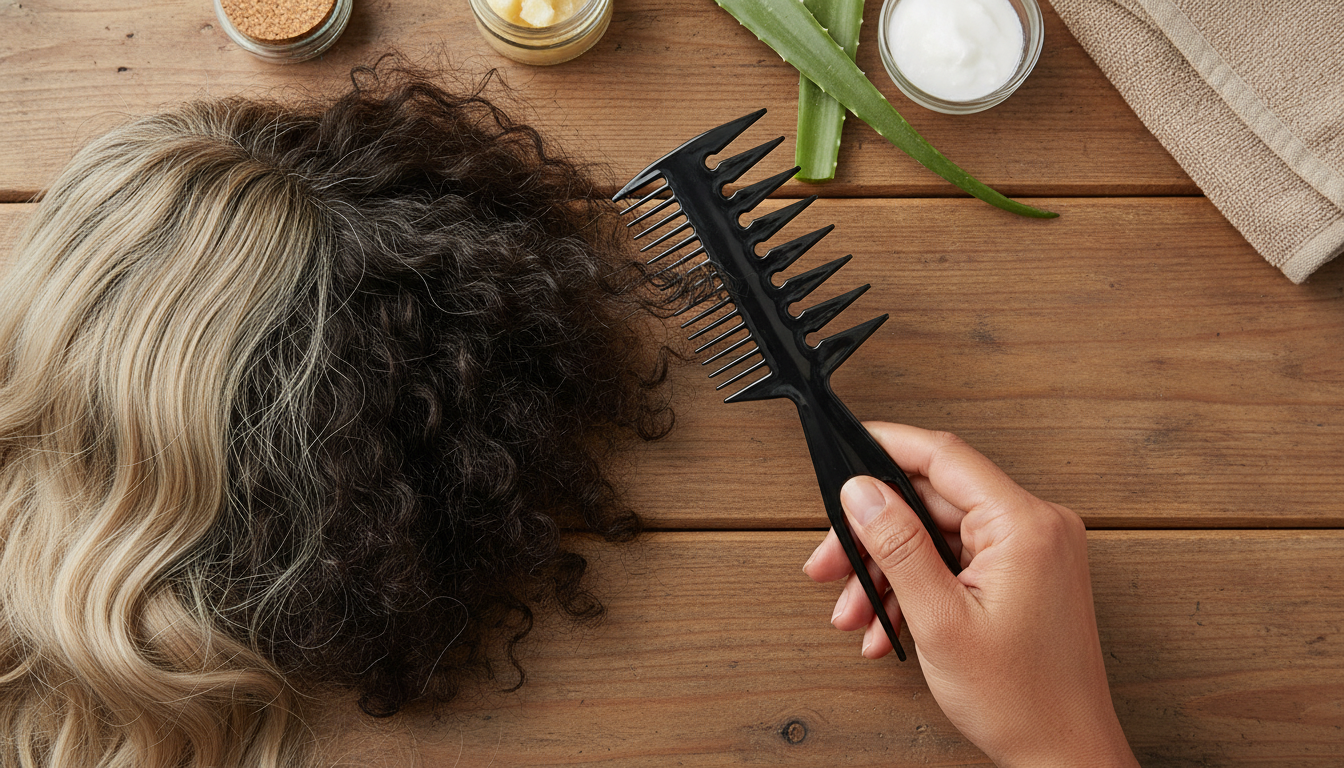
3-in-1 Anti-Static Wide Tooth Detangling Comb for Natural Hair & Wigs: Smoother Detangling, Less Static
Tangles, shedding, and static can turn wash day or wig maintenance into a struggle—especially with curly, coily, or textured hair. A wide-tooth comb designed to reduce static helps separate strands gently, keep curl patterns intact, and make daily styling and wig care faster and calmer.
What an anti-static wide-tooth comb changes
- Helps reduce flyaways and a “hair halo” caused by static-prone grooming, especially in dry weather or indoor heating.
- Wide spacing supports detangling without snapping through knots, which can help minimize breakage over time.
- Better for preserving curl clumps on natural textures compared with fine-tooth combing that can over-separate strands.
- Useful for wigs and extensions where friction can increase frizz and shedding at the ends with repeated styling.
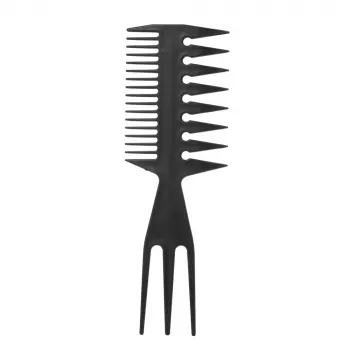
If you’re looking for a simple, low-effort tool upgrade, the 3-in-1 Anti-Static Wide Tooth Detangling Comb for Natural Hair & Wigs is designed for gentle glide and controlled detangling—especially helpful when hair is prone to snagging or static.
Who it’s best for
- Natural hair textures (wavy, curly, coily) that tangle easily or need gentle separation.
- Protective styles and low-manipulation routines where detangling must be quick, controlled, and low tension.
- Wig wearers who want a tool that glides without roughing up fibers at the ends.
- Anyone who detangles after washing or conditioning and wants fewer snag points.
3-in-1 design: practical ways to use it
- Detangle: Use the wide teeth to work through knots with minimal tension and fewer “catch points.”
- Section: Create manageable parts so detangling happens in small, controlled areas instead of the entire head at once.
- Smooth and shape: Use gentle passes to lay hair into place without over-brushing curls or roughing up wig fibers.
How to detangle natural hair with less breakage
- Start on damp, conditioned hair: Detangling on moisturized hair increases slip and reduces the urge to tug.
- Divide hair into sections: Smaller sections help you fully detangle without re-knotting nearby strands.
- Begin at the ends: Work upward in small increments rather than pulling from roots to ends in one pass.
- Support the hair: Hold the section near where you’re combing to reduce stress on the scalp and the strand.
- Add more slip when needed: If resistance increases, pause and apply more conditioner or detangling spray instead of forcing through.
For broader hair-care best practices (including gentle handling and scalp-friendly habits), the American Academy of Dermatology Association’s hair care basics is a helpful reference. If shedding or breakage feels sudden or excessive, it may be worth reviewing guidance like MedlinePlus information on hair loss to understand when to seek medical advice.
How to detangle wigs and extensions without frizzing the fibers
- Secure the wig: Place it on a wig stand (or hold the cap firmly) to keep tension even while combing.
- Work in short strokes from the ends upward: Support the hair near the base as you move higher to reduce stress and shedding.
- Go light on friction for synthetics: Avoid aggressive brushing and repeated dry passes; gentle, patient combing helps maintain the finish.
- For human hair wigs: Detangle before washing, then detangle again while conditioned for smoother slip.
- Store after detangling: Keeping hair smooth before storage helps prevent knotting at the nape and ends.
Comb vs. detangling brush: when each makes sense
A wide-tooth comb is a go-to for curl preservation and careful separation, while a detangling brush can be a time-saver for dense hair—especially after major knots are already loosened. Many routines benefit from using both: comb first to reduce snagging, then brush lightly if you want quicker smoothing.
Quick comparison for everyday use
| Tool | Best for | Watch out for |
|---|---|---|
| Anti-static wide-tooth comb | Gentle detangling, curl preservation, wigs/ends | Too-dry hair can still snag—add slip and go slowly |
| Detangling brush | Speed on dense hair, smoothing after detangling | Can increase frizz or breakage if used aggressively on tight curls |
| Fine-tooth comb | Precision parting and finishing | Not ideal for removing knots on textured hair |
If you prefer a brush-style tool for faster smoothing (especially after you’ve already loosened knots), consider the Detangling Loop Hair Brush for Wet, Dry & Natural Hair. A practical approach is to detangle with a wide-tooth comb first, then use a brush lightly for shaping and final polish where it won’t disrupt your curl pattern.
Care and cleaning to keep it gliding smoothly
- Rinse off product buildup (conditioner, gels, oils) with warm water and mild soap.
- Use a soft toothbrush to clean between teeth if residue collects.
- Air-dry fully before storing to prevent odor and residue transfer.
- Avoid leaving the comb in high heat (like a hot car or near heaters) if the material can warp.
A budget-friendly upgrade for regular detangling
- A dedicated anti-static wide-tooth comb can be an easy swap that improves daily handling without changing the entire routine.
- Useful as a backup tool for gym bags, travel kits, and wig storage areas.
- Pairs well with a slip-forward conditioner or leave-in to reduce friction and help knots release faster.
FAQ
Can a wide-tooth comb be used on wet hair?
Yes. It’s often easiest on wet hair when you have conditioner or leave-in for slip—work in sections from the ends upward and avoid forcing the comb through resistance.
Will an anti-static comb stop frizz completely?
It can reduce static-related flyaways, but frizz also depends on moisture balance, product choice, and friction from styling. For best results, detangle on damp hair and use gentle, controlled passes.
Is a wide-tooth comb safe for synthetic wigs?
Generally yes when used gently from ends to roots. Secure the wig, minimize friction, and avoid tugging to reduce shedding and prevent the fibers from frizzing.











Leave a comment