150 PSI Portable Tire Inflator w/ Digital Pressure Display
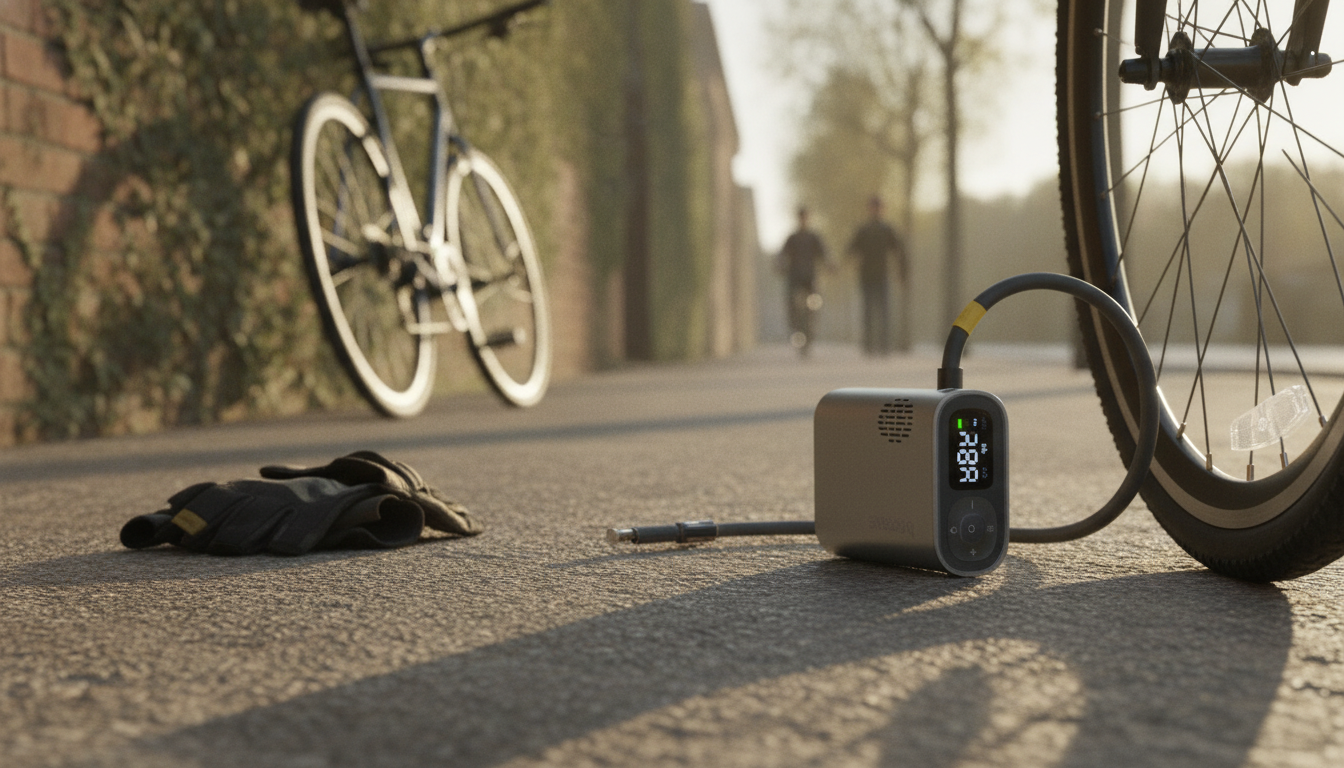
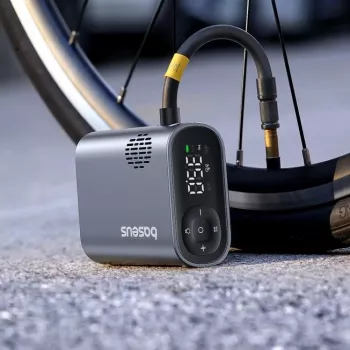
Portable Tire Inflator Pump 150PSI with Digital Pressure Display
A compact inflator with a digital pressure display can take the stress out of topping up tires at home or on the roadside. With a clear PSI readout and a 150 PSI maximum rating, this style of pump is designed for quick corrections, repeatable pressure targets, and fewer guesswork errors—especially when seasonal temperature swings cause noticeable pressure changes. Keeping tires closer to the manufacturer’s recommended pressure can also support safer handling and more predictable braking, while helping avoid the uneven wear that comes with driving underinflated.
For general tire safety guidance and maintenance basics, see NHTSA — Tires and AAA — Tire Safety.
Why a digital pressure display matters
Analog gauges and “by-feel” estimates can be inconsistent, especially when you’re topping off a tire that’s only a few PSI low. A digital pressure display gives you a simple number to aim for, which helps make tire care more repeatable.
- Helps hit a precise PSI target instead of relying on feel or sound
- Makes it easier to match recommended pressures on the driver-door placard
- Reduces the chance of overinflation when finishing a top-up
- Provides fast confirmation after a slow leak or temperature-driven pressure drop
That clarity matters most when you’re trying to add just a small amount of air—where a short burst can change the reading quickly, and where overdoing it can push the tire beyond the vehicle’s recommended range.
Core capabilities to look for in a 150 PSI portable inflator
A “150 PSI” label is best understood as a maximum capability rating. Real-world usefulness comes from how easy the inflator is to connect, read, and control during those last few PSI.
- Maximum pressure rating: 150 PSI is suitable for passenger vehicles and many bikes (actual fill speed depends on tire volume and starting PSI)
- Digital display readability: large digits and strong contrast help in low light
- Target-pressure workflow: set a PSI goal, fill, and re-check to confirm stability
- Stable hose/valve connection: a secure fit reduces air loss during attachment and removal
- Portability: compact size and easy storage so it can stay in the trunk year-round
Also consider where you’ll use it most. If it’s often a roadside tool, quick setup and a stable connection become just as important as the max PSI number on the box.
Typical use cases
A digital portable inflator fits into daily maintenance just as easily as it handles the “not right now” moments—like noticing a tire looks low before work.
- Routine tire maintenance: quick top-ups to keep pressures near manufacturer recommendations
- Seasonal shifts: colder temperatures can lower pressure readings; warmer conditions can raise them
- Pre-trip checks: topping off before highway driving or longer commutes
- Emergency support: adding enough air to reach a safer location for a full repair
- Small inflatables and sports gear (when compatible nozzles are included): quick pressure boosts for occasional needs
If you’re unsure why pressure changes seasonally, FuelEconomy.gov — Keeping Tires Properly Inflated offers a practical overview of how proper inflation ties into vehicle upkeep.
How to inflate a car tire accurately (digital display workflow)
Accuracy comes from using the right reference number and taking a steady, repeatable approach—especially near the end of the fill.
- Check the recommended PSI on the driver-side door jamb placard (not the tire sidewall).
- Remove the valve cap and attach the inflator head firmly to the valve stem.
- Power on and confirm the display is reading pressure consistently (brief fluctuation can happen while the connection seals).
- Inflate in short bursts, pausing to confirm the PSI reading approaches the target.
- Stop at the target PSI, detach the connector quickly to minimize air loss, then re-check once more.
- Repeat for remaining tires, including the spare if applicable.
Safety and accuracy notes for PSI-based inflating
Quick comparison: digital portable inflator vs other options
| Option | Best for | Tradeoffs |
|---|---|---|
| Digital portable inflator (150 PSI class) | Car tire top-ups, consistent PSI targets, travel kit | Fill time varies by tire size; needs power source |
| Gas-station air pump | Fast fills when available | May be out of service; gauge accuracy varies |
| Manual bike pump | Bike tires and small inflatables | Slow for car tires; more effort |
| CO₂ cartridges | Quick bike inflation on rides | Limited air supply; ongoing cartridge cost |
Care, storage, and readiness checks
In-stock essentials for a prepared car kit
- Portable Tire Inflator Pump 150PSI with Digital Pressure Display — a compact option for repeatable PSI targets at home or on the go.
- Magnetic 15W Wireless Car Charger & Phone Mount for iPhone 16–13 — helps keep navigation and emergency calls accessible while you handle roadside tasks.
Compare related options such as Ultra-Light Tri-Mode Wireless Gaming Mouse with RGB Charging Dock to match features, dimensions, and use case before choosing.
FAQ
Is 150 PSI too much for car tires?
150 PSI is the inflator’s maximum capability, not the pressure you should put in a car tire. Inflate to the PSI listed on your vehicle’s door-jamb placard (often far lower) and use the digital display to stop at the correct number.
Should tire pressure be checked when tires are cold or warm?
Check tire pressure when tires are cold for the most consistent comparison to the vehicle placard recommendation. Pressure rises after driving and with warmer temperatures, so “warm” readings can be higher than the baseline target.
Why does the PSI drop a little after removing the pump?
A small amount of air can escape during detachment, and the reading can also settle slightly after the connection is removed. Recheck the PSI and top off in short bursts if needed to land on the target accurately.










Leave a comment