65mm & 80mm Soft Silicone Lures Set: Rigging & Use
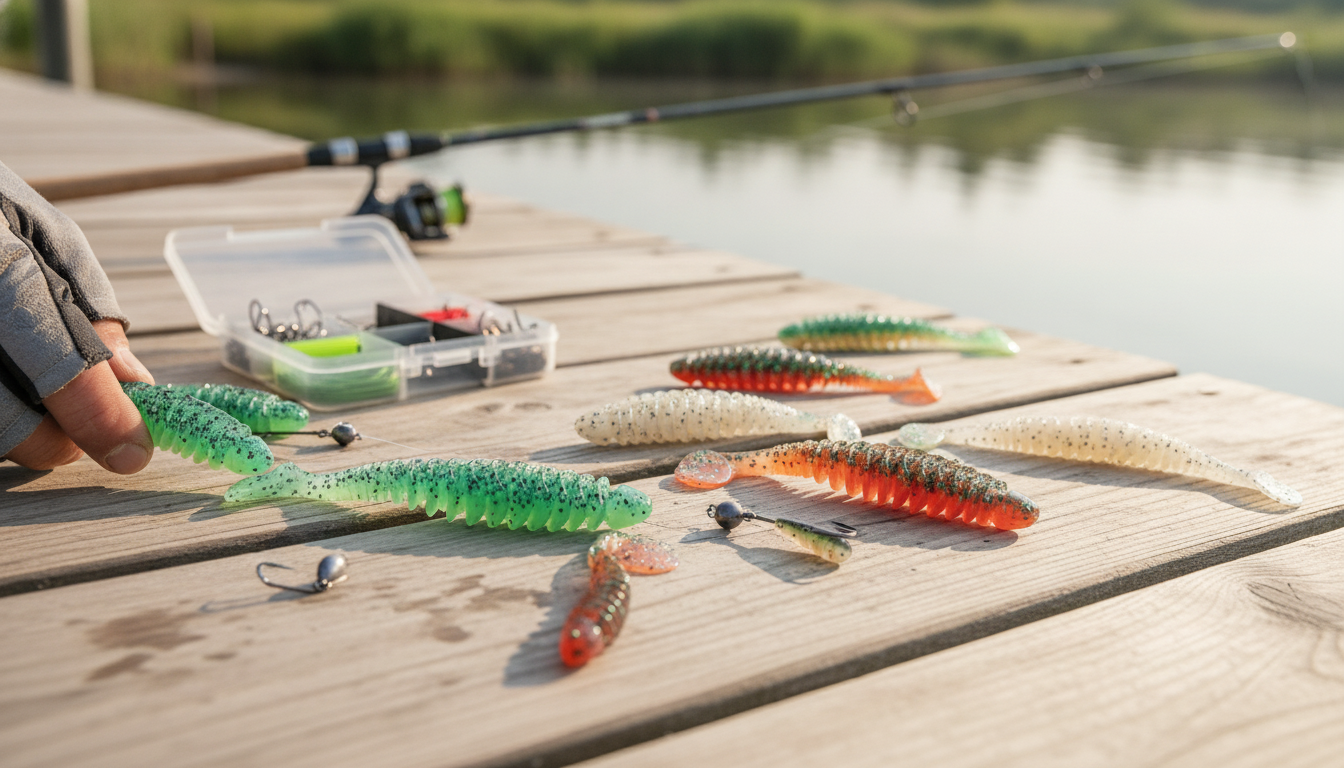
Soft Bait Fishing Lures Set – 65mm & 80mm Silicone Artificial Lures
A compact soft-bait set that covers two versatile sizes—65mm and 80mm—for working shallow flats, structure, and open water with lifelike motion and easy rigging options. Soft silicone lures are a go-to choice when fish want a natural profile, a controlled sink rate, and a bait that keeps moving even when you pause it. With just two lengths, this set makes it easy to match different forage sizes and adjust to changing conditions without hauling a box full of hard baits.
What’s Included and Why the Two Sizes Matter
This set focuses on two practical bait lengths (65mm and 80mm) that cover a wide range of bite “windows.” The smaller option helps when fish are pressured or feeding on tiny forage. The larger option gives you more presence in stained water, wind, or when you want to search faster. Both sizes use a soft silicone body designed for natural tail action across slow, medium, or faster retrieves, and they pair well with common jig heads and small hooks used for freshwater and many inshore situations.
Because soft plastics pack small and rig quickly, they’re also an efficient way to build a multi-purpose kit that doesn’t rely on bulky hard baits—especially useful when walking the bank, kayaking, or traveling light.
65mm vs 80mm: Quick Size Guide
| Size | Best use | Where it shines | Suggested starting rig |
|---|---|---|---|
| 65mm | Finesse bites, pressured fish, smaller forage | Ponds, creeks, clear water, cold fronts | Light jig head; slower retrieve with pauses |
| 80mm | Covering water, bigger profile, aggressive feeders | Windy banks, stained water, deeper edges | Slightly heavier jig head; steady retrieve or lift-and-drop |
When Soft Silicone Lures Outperform Hard Baits
Hard baits can be excellent search tools, but soft silicone lures often shine when the bite gets picky. A flexible body tends to draw more consistent bites when fish want something subtle that doesn’t look “stiff” or overly mechanical. Another advantage is sink-rate control: by simply changing jig head weight, you can keep the same lure profile while dialing in a different depth or fall speed.
Soft baits also “breathe” on the pause—tail and body movement continues with current, line tension changes, or tiny rod twitches. That extra motion can trigger strikes right next to cover where fish are watching but not committing. And compared to many trebled hard baits, a single-hook soft-plastic setup is often more forgiving around light vegetation and bottom contact, letting you fish slower and closer to where fish actually hold.
Rigging Options That Keep It Simple
One reason soft baits stay in heavy rotation is how many straightforward ways they can be rigged. If the lure is tracking straight and the hook point exits centered, you’ll get better action and more solid hook-ups.
- Jig head: The simplest and fastest option. It’s beginner-friendly, gives quick depth control, and makes it easy to feel bottom, rock transitions, and light bites.
- Weedless hook: Useful in grass, around reeds, or near submerged wood. Add a small weight if you need more casting distance or a faster drop.
- Drop shot: Keeps the bait hovering above weeds, rocks, and silt. Great when fish are suspended or when you want to hold the lure in a strike zone longer.
- Swivel/leader adjustments: A small swivel can reduce line twist on certain retrieves. Around toothy species or abrasive structure, step up your leader material and check it frequently.
Retrieve Styles for Different Conditions
Soft plastics are at their best when you let the lure do the work. Start with a basic retrieve and adjust speed, cadence, and depth until the tail kicks cleanly without the bait rolling.
- Steady swim: A reliable baseline. Keep the rod tip stable and vary speed until you feel a consistent thump (or see the line track smoothly).
- Stop-and-go: Short pauses imitate an injured baitfish. This is effective along dock edges, riprap, grass lines, and laydowns where fish ambush.
- Lift-and-drop: Hop along the bottom for fish holding near structure. Lift the rod tip, then follow the lure down on semi-slack line to detect subtle ticks.
- Slow roll: Ideal in cold water or when fish are pressured. Keep steady contact, avoid overworking the bait, and let it glide naturally.
For general technique guidance and safe angling practices, see resources from Take Me Fishing and species/ethical angling information from the International Game Fish Association (IGFA).
Choosing Gear: Line, Rod, and Hooks
For location-specific regulations and responsible recreational fishing updates, consult NOAA Fisheries.
Care, Storage, and Keeping the Action Consistent
Product Option
Soft Bait Fishing Lures Set – 65mm & 80mm Silicone Artificial Lures (in stock) is a budget-friendly way to cover finesse and a slightly larger profile with one set. A simple starting approach: begin with the 65mm when bites are light or fish are cautious, then switch to 80mm to cover water faster or when fish are feeding more aggressively.
More In-Stock Picks
- Magnetic 15W Wireless Car Charger & Phone Mount for iPhone 16–13
- Detangling Loop Hair Brush for Wet, Dry & Natural Hair
FAQ
Which size should be tied on first: 65mm or 80mm?
Start with 65mm in clear water, during cold fronts, or when fish are acting cautious. Switch to 80mm when you need a bigger profile, longer casts, or want to cover water faster.
Do soft silicone lures work in both freshwater and saltwater?
Yes—use hook strength, jig head weight, and leader material that match the species and structure you’re fishing. After saltwater trips, rinse and dry your lures before storing them.
How do you stop a soft bait from spinning or tracking crooked?
Rig the lure perfectly straight with the hook point exiting centered, then slow down if the bait starts to roll. If you still can’t keep it tracking true, change jig head weight to control depth instead of speeding up the retrieve.









Leave a comment