Baby Fridge & Cabinet Lock: Childproof Anti-Open Latch
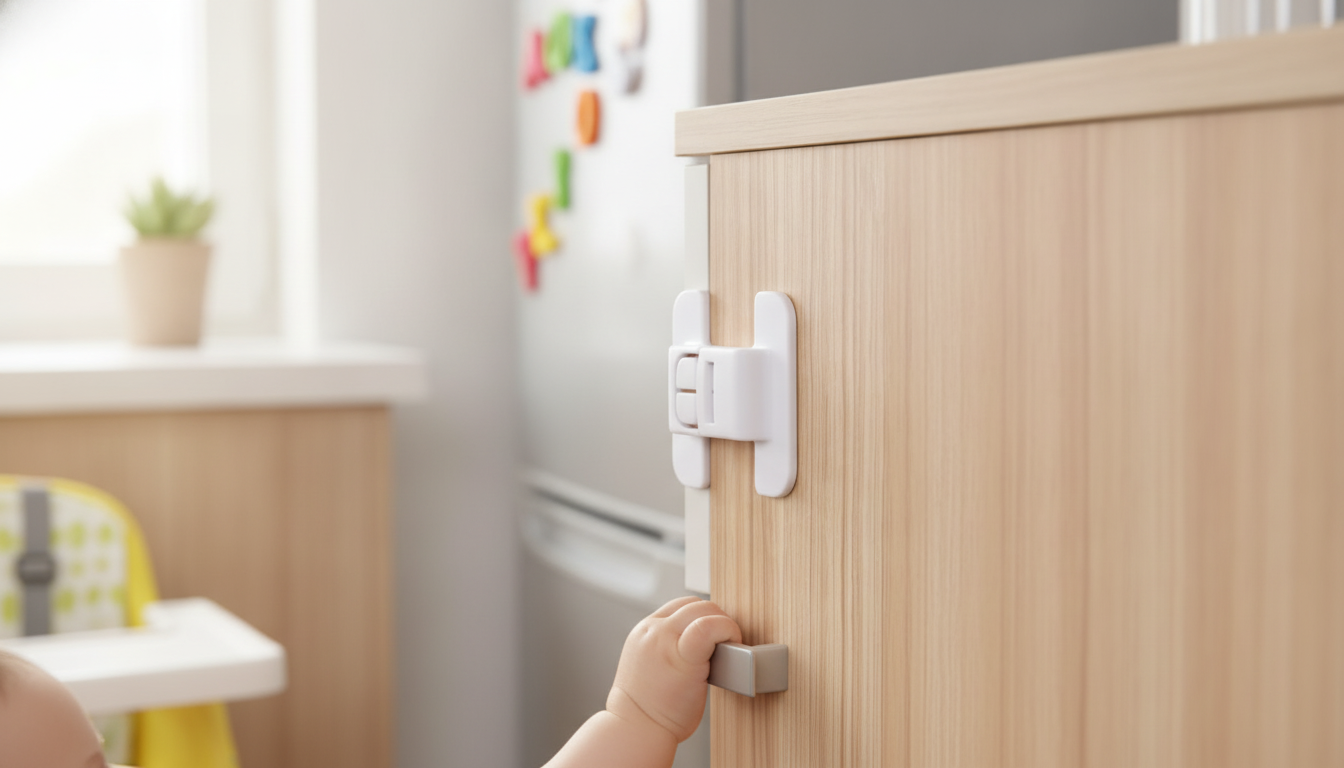
Baby Safety Fridge & Cabinet Lock – Childproof Anti-Open Latch
Curious hands can reach cleaning supplies, sharp tools, and heavy fridge doors in seconds. A simple childproof latch helps keep cabinets and appliances closed during daily routines—without permanently changing furniture or appliances. When installed in the right spot, a latch can slow down a toddler long enough for an adult to intervene, while still being convenient for everyday cooking, cleaning, and busy mornings.
What This Lock Helps Prevent at Home
Babies and toddlers learn quickly—especially when a door opens to something interesting. A childproof anti-open latch adds a practical barrier in the areas kids target most.
- Keeps babies and toddlers from opening refrigerators, low cabinets, and pantry doors
- Reduces access to cleaning products, medicines, breakables, and choking hazards stored behind doors
- Helps limit pinched fingers from swinging doors and sudden pulls
- Adds a quick barrier for visiting homes, rentals, and grandparents’ kitchens
For broader home safety guidance, the American Academy of Pediatrics offers room-by-room tips on reducing risks around the home: American Academy of Pediatrics – Home Safety. You can also review consumer safety resources from the CPSC: U.S. Consumer Product Safety Commission – Childproofing and Home Safety.
Where It Works Best: Fridges, Cabinets, and More
A latch is most effective where two surfaces meet cleanly and the door doesn’t flex much when pulled. Before committing to placement, close the door and look for the flattest, most stable contact points.
- Refrigerator doors: helps prevent repeated opening, spills, and food access
- Base cabinets and under-sink areas: adds a safeguard around detergents and cleaners
- Drawers and pantry doors: helps keep snacks, small items, and kitchen tools out of reach
- Laundry room and bathroom storage: adds an extra layer where hazardous items are stored
- Placement matters: best results come from placing the latch where the door has the least flex and the strongest, flattest contact points
| Location | Why it helps | Placement tip |
|---|---|---|
| Refrigerator door | Limits food access and repeated door opening | Mount where both surfaces are flat and clean |
| Under-sink cabinet | Blocks access to cleaners and pods | Position high enough to be out of sight and reach |
| Pantry door | Prevents climbing and snack access | Use on the side with the best alignment |
| Bathroom cabinet | Reduces access to medicines and cosmetics | Avoid areas exposed to frequent water splashes |
| Laundry cabinet | Helps restrict detergents and chemicals | Allow enough slack to fully close the door |
Key Features to Look For in a Childproof Latch
Not all latches work equally well on every door. The best fit depends on the surface, how often the door is used, and how strong and persistent your child is.
- Secure hold: should resist toddler pulling and tugging without popping loose
- Adult-friendly release: quick one-hand operation helps when carrying groceries or holding a child
- Low-profile design: less tempting for kids and less likely to snag on clothing
- Surface compatibility: works best on smooth, clean surfaces with solid contact
- Non-damaging installation: options that avoid drilling are useful for rentals and delicate finishes
A good latch isn’t just “hard to open”—it’s consistent. When it’s easy for adults to re-secure every time, it’s more likely to stay part of the routine.
Installation Tips for a Strong, Lasting Hold
Most latch problems come from rushed setup: dusty surfaces, poor alignment, or placing the latch on a curve or seam. A few minutes of prep can make a big difference.
- Clean both surfaces thoroughly and let them dry before applying any adhesive-backed parts
- Test placement first: confirm the door fully closes and the latch aligns without twisting
- Press firmly during installation and allow time for the bond to set before stress-testing
- Avoid mounting across seams, textured zones, or curved areas where contact is reduced
- Re-check after a day of use and re-press if needed, especially on high-use doors like the fridge
If you’re installing on a refrigerator, pay extra attention to the seal: the latch should prevent opening while still letting the door close completely so the gasket can do its job.
Daily Use and Safety Notes
A latch works best as part of a layered approach—especially in kitchens and bathrooms where multiple hazards can be present at once.
Recommended In-Stock Picks
- Baby Safety Fridge & Cabinet Lock – Childproof Anti-Open Latch (In stock)
- Detangling Loop Hair Brush for Wet, Dry & Natural Hair (In stock)
- Magnetic 15W Wireless Car Charger & Phone Mount for iPhone 16–13 (In stock)
Baby Safety Fridge & Cabinet Lock – Childproof Anti-Open Latch
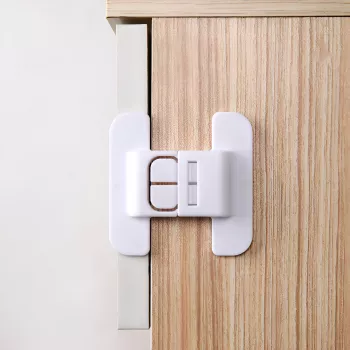
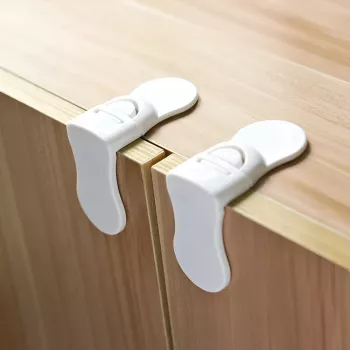
For kitchens, bathrooms, laundry areas, and other storage spaces, the Baby Safety Fridge & Cabinet Lock – Childproof Anti-Open Latch is designed to help keep doors closed against toddler pulling. It’s a simple, budget-friendly add-on for families working through the most common childproofing priorities—especially the fridge, under-sink cabinet, and pantry.
| Item | Details |
|---|---|
| Name | Baby Safety Fridge & Cabinet Lock – Childproof Anti-Open Latch |
| Price | 4.32 USD |
| Availability | In stock |
| Best for | Fridge doors, cabinets, pantry doors, storage areas |
FAQ
Can a childproof latch be used on a refrigerator door?
Yes—many childproof latches can work on refrigerator doors as long as there are flat, clean contact surfaces for a secure hold. Place it where the door can still fully seal, then test opening resistance after installation and again after the adhesive has had time to set.
Will a cabinet lock damage the surface when removed?
It depends on the finish and the installation method. For adhesive-backed styles, removing slowly and gently (often with mild warming to soften adhesive) can reduce residue or lifting; testing a small, inconspicuous spot first is a smart precaution.
How often should child safety locks be checked?
Check them regularly—weekly or during routine cleaning is a practical rhythm. Add extra checks after heavy use, seasonal humidity changes, or if you notice any peeling, shifting, or reduced holding strength.









Leave a comment