Loop Detangling Brush: Gentle for Wet, Dry & Natural Hair
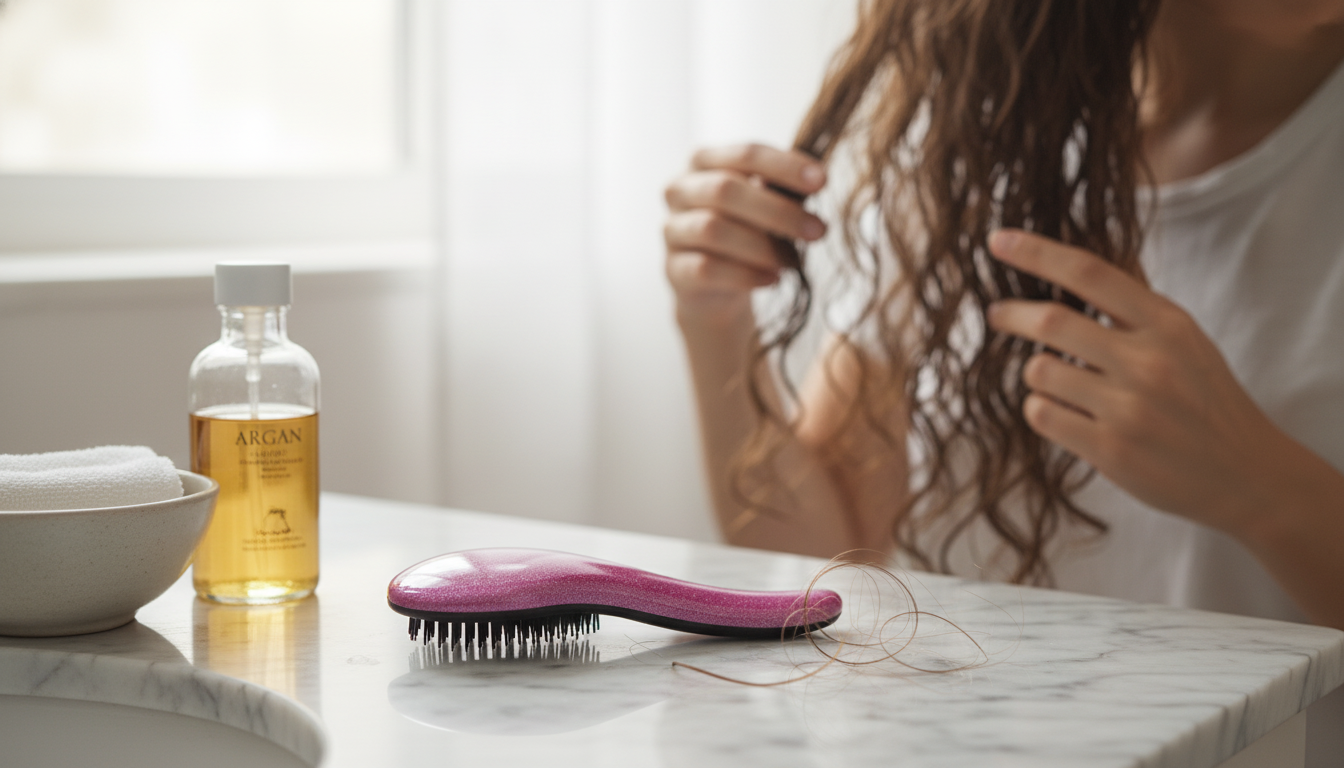
Detangling Loop Hair Brush for Wet, Dry & Natural Hair: Gentler Detangling for Curls, Coils, and Everyday Wash Days
Tangles can turn wash day or a quick refresh into breakage, snagging, and frustration—especially for curls, coils, and textured hair. A loop-style detangling brush is designed to glide through knots with less pulling by flexing with the hair instead of fighting it, making it a practical tool for wet detangling in the shower, smoothing conditioner through strands, and light dry detangling between styles.
If your goal is less tugging, fewer snapped ends, and faster detangling, a loop brush is a simple upgrade that fits into most routines—whether you wear wash-and-gos, braids, twists, or heat-styled looks.
What a loop detangling brush is (and why it feels different)
A loop detangling brush uses flexible, looped bristles instead of straight, rigid pins. That design change can make a noticeable difference for hair that tangles easily, because the brush is built to flex and release rather than “catch and yank.”
- Looped bristles flex and bend to follow the path of least resistance through knots, which can reduce snagging compared with rigid pins.
- Textured hair benefits because tangles often form where curl “clusters” interlock and shed hairs wrap around neighboring strands.
- It’s primarily a detangler, not a scalp-scrubber: focus on lengths and ends first, then move upward as tangles release.
- A gentler feel helps consistency, making detangling more tolerable for kids, tender scalps, and anyone prone to end breakage.
Best ways to use a loop detangling brush by hair state
| Hair state | Goal | How to use | Helpful add-ons | Common mistakes to avoid |
|---|---|---|---|---|
| Wet (shower day) | Remove knots and distribute conditioner | Apply conditioner, section hair, start at ends and work upward with short strokes | Wide-tooth comb for final pass; shower clips | Brushing from roots first; brushing without slip |
| Damp (post-shower) | Define curls and reduce frizz | Brush through product evenly, then scrunch to reform curl pattern | Leave-in conditioner; curl cream/gel | Over-brushing and breaking up curl clumps |
| Dry (between washes) | Light detangle before styling | Mist with water or detangling spray, finger-detangle first, then brush ends upward | Spray bottle; lightweight oil on ends | Detangling fully dry, brittle hair with no moisture |
| Natural/curly/coily | Minimize breakage while detangling shed hairs | Work in sections, keep hair stretched gently, detangle frequently during protective styling | Satin scrunchies; satin bonnet/pillowcase | Ripping through compact tangles; skipping sectioning |
Who tends to benefit most
- Curly, coily, and kinky hair types that tangle from shrinkage and interlocking curls.
- Long hair that mats at the nape or under layers where friction is highest (hoodies, scarves, jackets, gym bags).
- Fine or fragile strands prone to snapping when detangled with stiff tools.
- Protective styles: helpful for detangling before braiding/twisting and for gentle take-down days when shed hair needs to be released.
- Active lifestyles: useful after swimming, workouts, or windy days—especially when paired with moisture to add slip.
For general hair-care guidance that prioritizes minimizing damage, the American Academy of Dermatology Association offers practical tips on gentle daily habits.
How to detangle with less breakage (quick routine)
Even the best brush can’t outwork friction. A low-breakage routine focuses on slip, sectioning, and patience—especially at the ends where hair is oldest and most delicate.
- Prep for slip: on wet hair, use conditioner; on dry hair, mist water plus a detangling spray or leave-in.
- Section into 4–8 parts: clip away what you’re not working on so it doesn’t re-tangle.
- Start at the ends: hold the section near the ends with one hand to reduce tension at the scalp, then brush gently upward.
- Use short strokes for tight areas: switch to longer strokes only after the section glides easily.
- Finish with a smoothing pass: distribute product through the lengths, then re-form curls by scrunching or twisting the section.
- Pause if you snag repeatedly: add more moisture/product and finger-detangle the tight spot first.
If hair breakage is a recurring issue, reviewing common causes (from friction to chemical/heat stress) can help refine your routine. Cleveland Clinic provides an easy-to-follow overview of hair breakage and prevention.
Wet vs. dry detangling: when each makes sense
- Wet detangling is often easier because water and conditioner provide lubrication, helping strands slide past each other.
- Dry detangling can work for quick touch-ups, but it usually needs added moisture to avoid friction-related snapping.
- If shrinkage tangles are common, detangling while saturated and conditioned helps remove shed hairs before they wrap into knots.
- For heat styling prep, detangle on damp hair first, then switch to a separate brush designed for blow-drying if needed.
Care, cleaning, and longevity
When to be extra gentle (scalp sensitivity and hair loss concerns)
Shop tools that make detangling and daily routines easier
- Detangling Loop Hair Brush for Wet, Dry & Natural Hair
- Magnetic 15W Wireless Car Charger & Phone Mount for iPhone 16–13
- Bluetooth 5.0 FM Transmitter & Wireless Car Charger with Dual USB
FAQ
Can a loop detangling brush be used on wet hair in the shower?
Yes—use it with conditioner for plenty of slip, work in sections, and detangle from the ends upward to reduce pulling and snagging.
Is it safe to detangle natural hair while it is dry?
It can be, but it’s best to add moisture first (a water mist plus leave-in or detangling spray) and finger-detangle tight knots before brushing to help prevent breakage.
How often should the brush be cleaned?
Remove shed hairs after each use, and wash the brush regularly with warm water and mild soap—more often if you use heavier styling products that can build up.











Leave a comment