SMART Goal Planner for Real Results (Printable Templates)
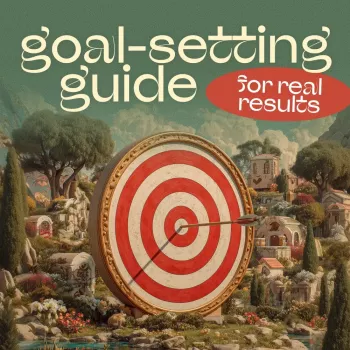
Goal-Setting Guide for Real Results: Printable Planner, SMART Goals Workbook, and Productivity Templates
Big goals get easier when they’re broken into clear steps, tracked in one place, and reviewed on a simple rhythm. This printable goal-setting system combines SMART goal prompts, weekly planning pages, and progress check-ins to turn intentions into consistent follow-through—without overcomplicating the process.
What “real results” looks like (and why goals stall)
“Real results” aren’t just good intentions or a busy calendar—they’re measurable change. That can look like a completed deliverable, a habit streak you can count, a milestone reached, or a performance metric that clearly improved.
Most goals stall for predictable reasons: they’re too vague, there are too many competing priorities, there’s no deadline, there’s no next action, or there’s no review loop to catch drift early. The fix is less about chasing motivation and more about building a system.
A simple shift helps: move from motivation-based planning to system-based planning. Define the next small step, schedule it, and track it. Research-backed approaches like goal-setting theory and implementation intentions support why clarity and concrete actions improve follow-through (see Locke & Latham’s Goal-Setting Theory and the APA overview of follow-through strategies at apa.org).
Set one priority goal using the SMART structure
When a goal is fuzzy, planning turns into guesswork. The SMART structure adds just enough definition to make progress obvious and decisions easier.
- Specific: Name the outcome and constraints (what, where, and under what conditions).
- Measurable: Pick a number that proves progress (hours, dollars, pages, workouts, submissions, etc.).
- Achievable: Confirm time, tools, budget, and skill level; adjust scope before starting.
- Relevant: Connect the goal to a meaningful reason, especially for the weeks when life gets busy.
- Time-bound: Choose a finish date and a first check-in date so the goal doesn’t drift.
SMART is widely used because it forces clarity and accountability (overview: SMART criteria).
| SMART part | Question to answer | Example phrasing |
|---|---|---|
| Specific | What exactly is being completed? | Draft the first 10 pages of the proposal |
| Measurable | How will progress be counted? | Write 500 words, 4 days/week |
| Achievable | Is the pace realistic with current schedule? | 30 minutes after lunch on weekdays |
| Relevant | Why does this matter right now? | Supports promotion readiness by Q4 |
| Time-bound | When is it done and when is the next review? | Finish by Sept 30; review every Friday |
Turn the goal into a plan: milestones, tasks, and the next action
Goals become doable when they’re converted into “finishable” chunks. Start by breaking the goal into 3–6 milestones—each one small enough to complete within 1–3 weeks. Then list the tasks that create each milestone.
Next, highlight the next action: the smallest step you can do in one sitting without needing more planning. Examples:
- Open the document and outline three section headers.
- Book the appointment.
- Gather last month’s numbers and paste them into a spreadsheet.
Finally, plan for reality. Add likely blockers (time conflicts, missing info, decision points) and write a simple solution beside each. Keep a short “to-decide” list so decisions don’t clog your task list and planning doesn’t become procrastination.
Use a weekly rhythm that prevents falling behind
A weekly rhythm is a lightweight loop that keeps goals moving even when days get messy.
- Weekly planning: Choose 1–3 outcomes that make the week a win, then assign work to specific days.
- Daily focus: Pick a single must-do task tied to the main goal before smaller errands.
- End-of-week review: Score effort, note what worked, adjust, and recommit.
- Time blocks: Use deep-work blocks for goal tasks and a separate buffer block for admin and catch-up.
| Planning step | What to write | Time needed |
|---|---|---|
| Weekly outcomes | 1–3 results that make the week a win | 5 minutes |
| Key tasks | Tasks that directly create those outcomes | 10 minutes |
| Schedule blocks | Assign tasks to specific days and time windows | 10 minutes |
| Risk check | Top 1–2 obstacles + pre-made workaround | 5 minutes |
| Review notes | Wins, lessons, next week adjustment | 5 minutes |
Track progress without turning it into busywork
Tracking should create clarity, not clutter. Use one progress indicator per goal: a single metric (like hours practiced) or a simple checklist (like workouts completed). This avoids scattered notes across apps and notebooks.
Printable pages to keep everything together
Goal-Setting Guide for Real Results (printable planner + workbook)
Recommended in-stock picks
- Goal-Setting Guide for Real Results – Printable Goal Planner, SMART Goals Workbook & Productivity Template for Achievable Success ($12.99)
- Magnetic 15W Wireless Car Charger & Phone Mount for iPhone 16–13 ($34.01) for keeping navigation and calls hands-free while commuting between work blocks.
- Magnetic Clear Shockproof Case for iPhone 17 Pro & Pro Max ($10.97) to help protect the device that often holds timers, calendars, and checklists.
| Item | Details |
|---|---|
| Product | Goal-Setting Guide for Real Results – Printable Goal Planner, SMART Goals Workbook & Productivity Template for Achievable Success |
| Price | 12.99 USD |
| Availability | In stock |
FAQ
How many goals should be set at once?
Set one primary goal for the current cycle, plus up to two supporting goals if needed. Focus makes planning faster, reduces conflict in the schedule, and makes weekly reviews simpler and more honest.
What if a SMART goal starts to feel unrealistic mid-way?
Adjust scope or timeline by revisiting the Achievable and Time-bound parts, then shrink the next actions so progress can restart immediately. Keep the same “why” and measurement where possible so the goal stays meaningful and trackable.
How often should progress be reviewed?
Do a weekly review for planning and course correction, with brief daily check-ins to identify the next action. That combination catches problems early without turning tracking into a second job.











Leave a comment