Talk & Connect Workbook: Easy Parent-Child Check-Ins
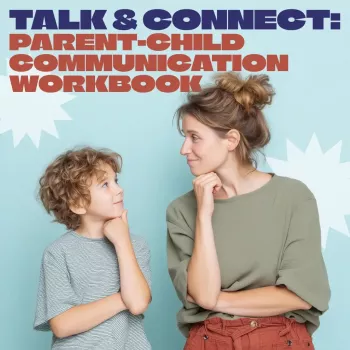
Talk & Connect: A Practical Parent–Child Communication Workbook for Stronger Family Bonds
Stronger family bonds are built in small, repeatable moments: a calm question after school, a repair after conflict, a bedtime check-in that feels safe. A parent–child communication workbook can turn those moments into simple routines with conversation starters and guided prompts that help kids open up, build emotional vocabulary, and feel understood—without long lectures or pressure-filled talks.
Why everyday communication matters more than big talks
Many families aim for “the talk” when something goes wrong, but kids usually share more when connection is consistent and predictable. Regular, low-stakes check-ins lower stress in the relationship, which can reduce misunderstandings and power struggles over time.
When children feel heard, they practice honesty, self-awareness, and empathy more naturally. Just as important, communication skills grow when parents model curiosity, a calm tone, and repair after missteps—showing that disagreements don’t threaten the relationship.
What a parent–child communication workbook adds to positive parenting
A workbook adds structure when you’re tired, busy, or unsure what to say. Instead of searching for the “perfect” question, you can rely on prompts and short exercises that make starting (and sustaining) conversations easier.
- Structure: prompts reduce the guesswork of what to say and when to say it.
- Emotional language: guided reflection builds a shared vocabulary for feelings and needs.
- Consistency: short activities support daily or weekly practice even with packed schedules.
- Safety: written or guided activities can feel less intense than face-to-face questioning for some kids.
- Progress tracking: repeated exercises make patterns and wins easier to notice.
Core communication skills that strengthen connection
Conversation starters help, but the real “glue” is how a parent responds once a child begins to share. These skills keep kids talking while protecting boundaries and expectations.
- Active listening: reflect back what you heard (“So you felt left out at recess…”) before correcting or advising.
- Validation: acknowledge feelings without automatically agreeing to every request (“That makes sense you’re upset.”).
- Open-ended questions: invite details with “what” and “how,” especially after big emotions.
- Emotion coaching: name feelings, identify triggers, and choose a coping strategy together.
- Repair and reconnection: normalize apologies and do-overs after yelling, sarcasm, or misunderstandings.
For additional evidence-based parenting guidance, resources from the CDC (Essentials for Parenting) and the American Academy of Pediatrics (HealthyChildren.org) can be helpful complements to a home routine.
Conversation starters that work (and what to avoid)
Kids tend to open up more with low-pressure openings that don’t sound like a trap. Try simple starters like: “What was the best part of today?” “What felt hard?” or “What’s something you noticed that made you laugh?” Sensory prompts spark detail and help kids move beyond “fine.”
When emotions run high, avoid “Why did you…?”—it often triggers defensiveness or shutdown. Swap in: “What happened right before that?” Also, minimize multitasking during sensitive topics. A calm posture and steady presence usually matter more than perfect wording.
Quick prompts by age and mood
| Situation | Younger kids (approx. 4–7) | Older kids (approx. 8–12) | Teens (approx. 13+) |
|---|---|---|---|
| After school / after activities | “Show me one thing you did today.” | “What was one win and one challenge?” | “What was the most interesting part of your day?” |
| Child is upset or shut down | “Do you want a hug or space?” | “Do you want help, or do you want to vent first?” | “Would you rather talk now or later? What would help you feel safe?” |
| Conflict at home | “What can we do differently next time?” | “What did you need from me in that moment?” | “What boundary feels fair to both of us, and why?” |
| Building confidence | “What are you proud of today?” | “What did you practice even though it was hard?” | “What’s one goal you care about this week, and what support would help?” |
Simple routines that turn connection into a habit
Using Talk & Connect as a weekly practice
When communication feels difficult: common roadblocks and gentle fixes
Who this workbook can help most
Featured products for building calmer connection
If you want a simple, ready-to-use way to practice healthier day-to-day dialogue, the Talk & Connect parent–child communication workbook is designed for repeatable check-ins, deeper weekly conversations, and post-conflict repair prompts.
For families who do their best talking on the go, a steady, hands-free setup can help reduce distractions during car-ride conversations. Consider pairing your routine with the Magnetic 15W Wireless Car Charger & Phone Mount for iPhone 16–13 so your phone stays put while you focus on your child.
If screen habits are a recurring source of friction, protecting devices can reduce day-to-day stress around drops, cracks, and sudden “emergencies.” The Magnetic Clear Shockproof Case for iPhone 17 Pro & Pro Max can be a practical add-on for busy households.
Talk & Connect: At-a-glance
| Item | Details |
|---|---|
| Product | Talk & Connect: Parent-Child Communication Workbook – Positive Parenting Guide for Stronger Family Bonds, Conversation Starters, and Emotional Connection |
| Price | 9.99 USD |
| Availability | In stock |
FAQ
What if a child refuses to talk or says “nothing” to every question?
Use low-pressure prompts, offer two choices, and allow silence without pushing. Try talking during an activity (driving, cooking, walking) or invite a written or drawn response, then keep showing up consistently.
How often should parent–child communication exercises be done?
Five minutes a few times per week is a strong start, with an optional longer weekly check-in when schedules allow. Short, repeated practice typically builds comfort faster than occasional deep talks.
Can conversation starters help with sibling conflict or frequent arguing at home?
Yes—prompts support repair by identifying feelings, naming needs, and agreeing on a next step. After a conflict, try: “What happened? What were you feeling? What do you need next time?” and set one clear boundary that still respects both kids.











Leave a comment